


The dangers of romanticising Britain’s 1976 heatwave
Stephanie Brown
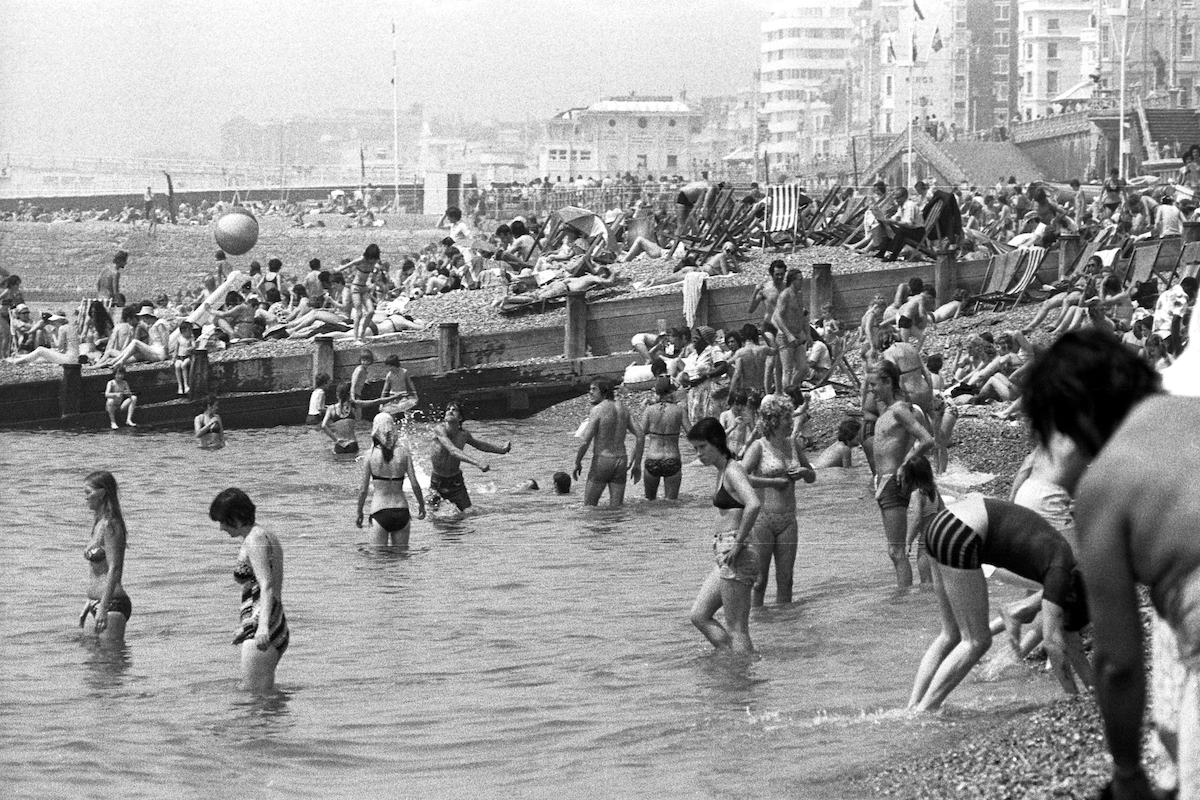
As I scrolled through social media on a hot afternoon, a meme caught my attention. A black and white photo. A smiling young woman with water up to her knees. She appeared to be in a fountain, with many others dipping their legs in the water.
The caption read “On this day in 1976, the British heatwave started. It would last until the 27th August, during which time Britain would experience extreme temperatures and widespread droughts. And we all had a wonderful summer and survived.”
This immediately struck me: it was a boiling hot day. As I sat at my office desk keeping hydrated with a fan pointed directly at my face, I felt the rage burning inside me. How could people be so irresponsible? Heat can be dangerous. But the implication of the meme was clear: if people managed back then, surely today’s warnings about heatwaves, climate change, and public health are exaggerated. These rose-tinted memories obscure a darker truth.
I am a historical criminologist. This meme had the rare effect of deeply troubling both of my areas of expertise.
As a historian, this meme concerns me because it perpetuates the myth of the “good old days”. A selective, nostalgic vision of the past that smooths over complexity and hardship in favour of a comforting, idealised narrative. Flattening history into feelgood folklore, erasing the social inequalities and governmental failures.
It echoes a broader cultural tendency: from “Make America great again” to the “Blitz spirit”, representing Britain’s nostalgia for wartime resilience, a romanticised past is often used by politicians to legitimise political ideas in the present. But history is not a comfort blanket. It is a critical tool.
My work explores how institutions respond to crisis and how narratives of success or failure are constructed. In 1976, advice for dealing with the water shortage was to share a bath with the wife and drive a dirty car. Areas without domestic tap water had to use communal street pipes.
The government did not appoint a minister for drought until the end of August, despite mounting evidence from meteorologists and public health officials. Emergency measures were piecemeal and unevenly applied.
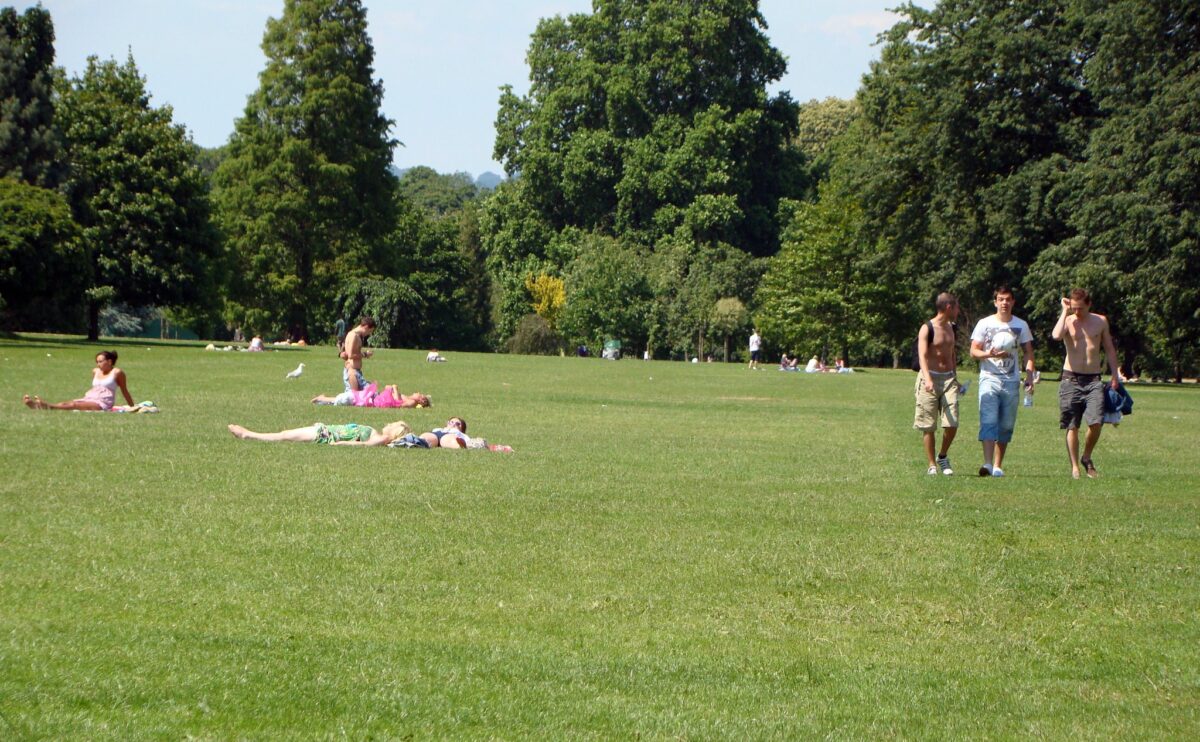
The suggestion that “we all had a wonderful summer and survived” is misleading. It was reported that “200 people a day were apparently dying who would not have died if the weather had been normal”. During the peak of the heatwave, deaths increased by 28% in the southeast England and 33% in Greater London.
As a criminologist, I know that it is not only natural deaths that can increase during a hot weather. The number of violent deaths also increased in 1976 as well as in other heatwaves. Thermic law is the concept that violent crime is higher in hotter seasons. These patterns might be explained by temperature-aggression theory: that hot weather can cause an increase in aggressive behaviours.
For other criminologists, it is not the temperature itself that causes increased violence, but how people’s behaviour changes due to the heat. For example, people are taking time off work or school, socialising, and drinking. Unstructured time and spaces, combined with alcohol and a holiday feel all lead to increases in violence.
Misrepresenting risk
By sentimentalising the summer of 1976, we strip away its lessons. Worse, we risk repeating its mistakes. One Conservative MP described people concerned about the 2022 heatwave as “snowflakes” and “cowards”. Quite an odd response after the British public was asked to “protect the NHS” during the COVID-19 pandemic.
This protection apparently did not extend to looking after each other in a heatwave. In fact, heatwaves are largely an invisible risk. We are told not to fuss, but there is often little communication on how to keep safe.
A lack of policy and examples of political scepticism connect with a key theme in the comments under that meme: climate change denial. If we had a heatwave in 1976 then what we are experiencing now is nothing new, right? Wrong.
The heatwave in 1976 was bad: thousands died, fires raged, and water ran dry. But it was also an anomaly; a hot summer in a relatively cool decade. Heatwaves are now more frequent, more intense and longer lasting. Temperatures reached over 40°C in 2022, while the maximum in 1976 was 4°C-5°C cooler.
Still, each time a weather warning is issued, it is met with a wave of derision. There is the same online discourse as is expressed in this meme. This attitude is not just flippant, it is dangerous. It undermines vital public messaging, discourages precautionary action, and fuels complacency among those least at risk, while leaving the most vulnerable even more exposed.
History can offer crucial perspective. But only if we treat it honestly. That means moving beyond memeified memories of the past and reckoning with the complexity of what really happened. It means challenging the stories we tell ourselves. Many did live through the 1976 heatwave. But many also died: quietly, invisibly and avoidably. Their stories are not part of the nostalgia. They should be.
Stephanie Brown is Lecturer in Criminology, University of Hull
A version of this article first appeared in The Conversation
Support our Nation today
For the price of a cup of coffee a month you can help us create an independent, not-for-profit, national news service for the people of Wales, by the people of Wales.
Get more trusted Welsh news
Choose Nation.Cymru as a preferred source in Google News to see more of our journalism.



Whoever benefits from shoving more carbon in the atmosphere is complicit in this romanticising of the 1976 heat wave.
Nothing to see there except happy people being resilient. Stop complaining. This heat is nothing.
Yes, this recent heat wave passed us by because responsible people did the right thing and stayed home and stayed safe.
In 1976, 3000 died in the UK and 61,000 died across Europe. It was a European heatwave. The exceptionalists are hard at work inventing exceptionalism again.