

The men who could break the Union: Have Burnham and Kinnock become its unlikely architects?

Simon ap Gruffydd
Have Andy Burnham and Stephen Kinnock just exposed the Union’s central fraud and become the men accelerating its unravelling?
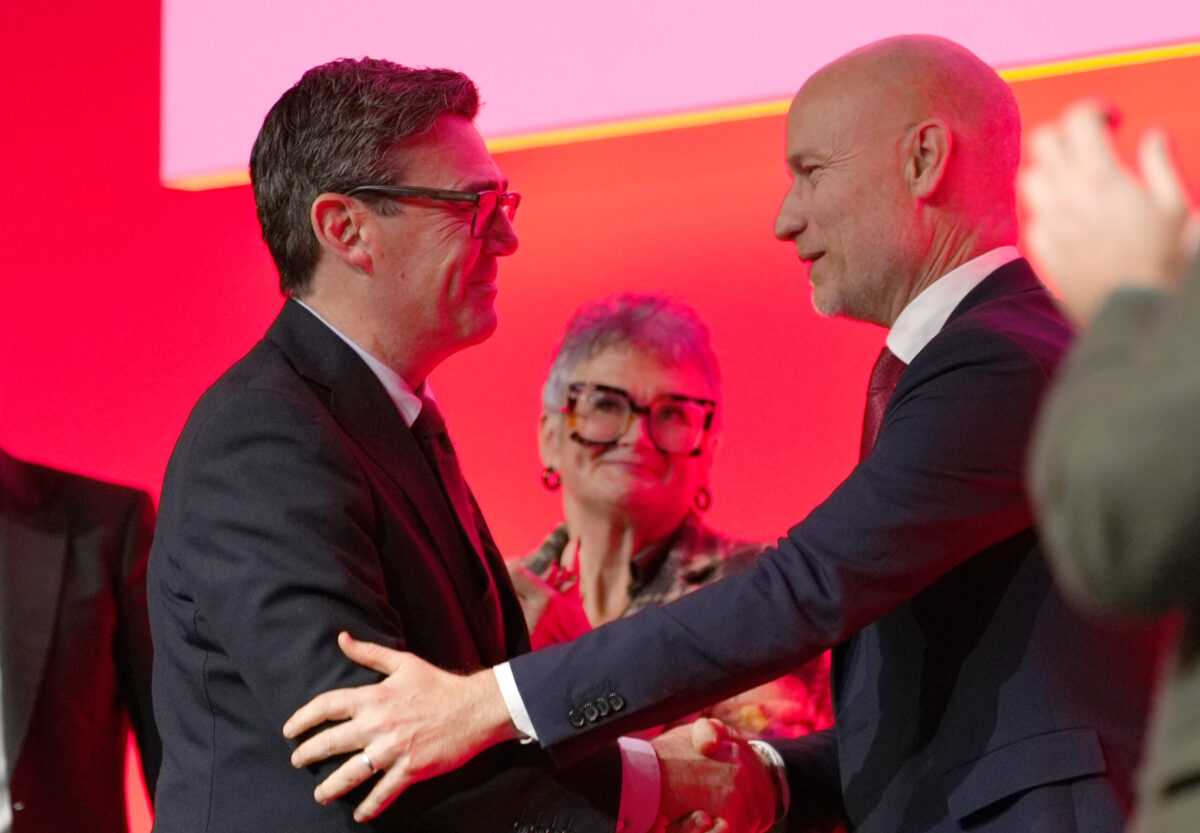
This week, Prime Minister Andy Burnham wrote to First Minister Rhun ap Iorwerth rejecting Wales’s calls for greater authority in several areas.
Burnham set out Westminster’s reasons for keeping those decisions at UK level; Welsh Secretary Stephen Kinnock defended the position as a matter of partnership and practical government.
Burnham wrote the refusal; Kinnock defended it. Between them, they have exposed the Union’s central contradiction: Wales is called an equal partner, but Westminster keeps the final say over what that equality allows.
What if the Union’s most effective dismantlers are not the people campaigning to leave it, but the men insisting that it still works?
The letter’s force falsities in what it reveals about the structure of the Union.
Westminster can describe its decisions as partnership, but it retains the authority to define the limits of that partnership. How long can a political arrangement depend on a coercive relationship with one side setting the terms while asking the other to trust that it is being treated as an equal?
The timing gives the dispute a striking historical echo. As Michael Sheen plays Owain Glyndŵr in Owain & Henry at Wales Millennium Centre, audiences are watching a story of power, identity and resistance to rule from across the border. More than six centuries on, the question remains: who gets to decide Wales’s future whilst showing that the thinking in Westminster hasn’t evolved or matured.
Burnham and Kinnock’s defence actually strikes at the heart of Westminster and removes the mask for all to see. No longer can it be claimed that this is a “Union of equals”, nor that the role of the “Secretary of State for Wales” is to represent Wales’ voice in Westminster. The world has now seen behind that particular curtain.
No longer will any unionist politician be able utter these phrases to deny, dismiss or deflect – without being exposed to legitimate challenge. Anyone doing risks losing all personal credibility.
Glyndŵr fought Henry IV. The comparison is about a recurring attitude to power, not a claim about ancestry: the belief that authority belongs at the centre, and that those governed from it should accept what is handed down.
Has Westminster outgrown that old overlord instinct, or simply learned to wrap it in the language of modern government?
The Union is not an empire in the literal sense. But can it escape the legacy of a political order built around authority flowing out from the capital while wealth and influence gather there: where Westminster holds the power to decide what the nations may control, who benefits from the arrangement, and who is expected to be grateful for it.
The political shift is different in each nation, but Westminster can no longer assume that one British identity will satisfy them all. In the 2026 elections, the SNP became Scotland’s largest party and Plaid Cymru did the same in Wales, whilst Northern Ireland’s nationalist MPs now outnumber its unionist MPs.
In England Reform’s growing support is framed around sovereignty. These results show that the old assumption of a single, unquestioned British political identity is crumbling.
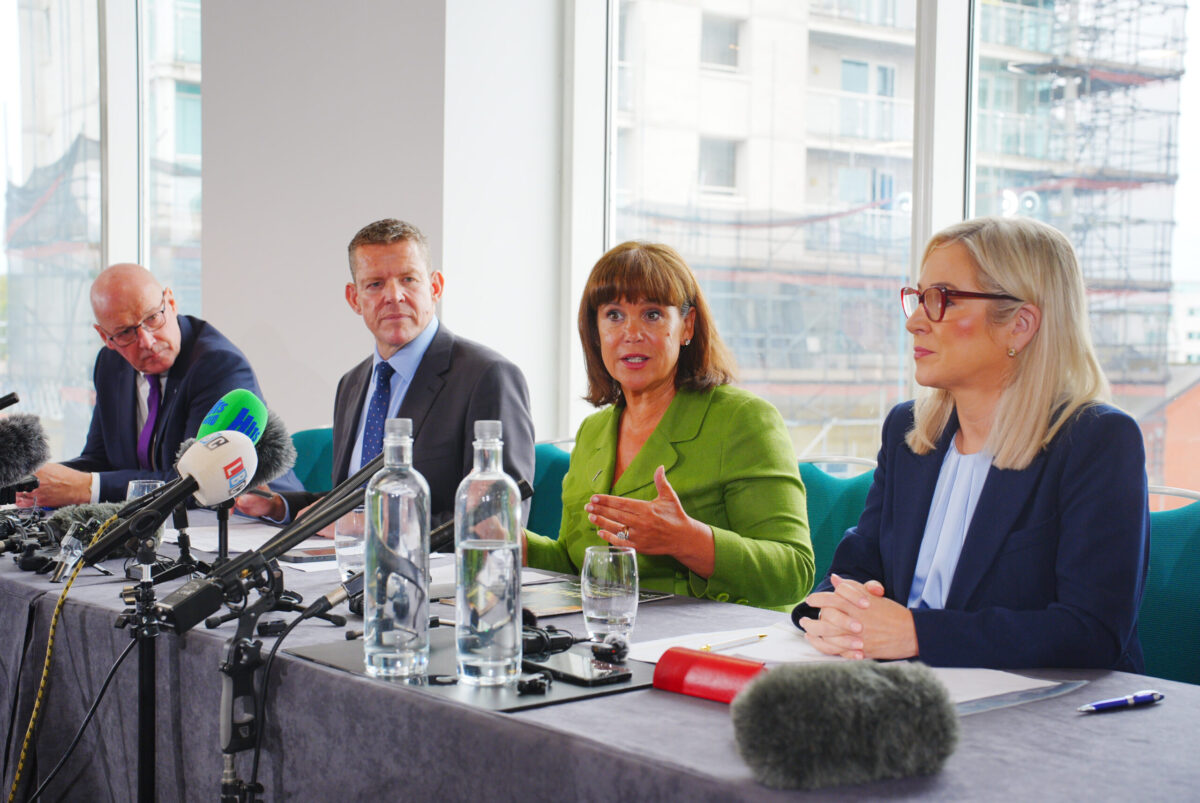
John Swinney predicted that Burnham would be the last Prime Minister of the United Kingdom.
If Westminster continues to deny demands for shared authority by asserting its own right to decide, who is making that prediction seem more plausible?
In the end, what is the Union for and who does it actually serve?
If the centre cannot imagine a relationship based on shared authority, how long before the nations around it decide they no longer need to ask permission to leave?
Support our Nation today
For the price of a cup of coffee a month you can help us create an independent, not-for-profit, national news service for the people of Wales, by the people of Wales.
Get more trusted Welsh news
Choose Nation.Cymru as a preferred source in Google News to see more of our journalism.


