

Wales cannot afford to keep treating the arts as expendable
James Downs, Mental health campaigner
As we heads towards the Senedd election in May, there is remarkably little evidence that the arts and culture are being treated as a serious political priority.
When the arts do appear in political debate, they are too often framed as optional: nice to have when times are good, easy to trim when budgets are tight, and somehow less urgent than the “real” business of health, education, or economic growth.
But this is a profound mistake. In Wales, the arts are bound up with our language, communities, identity, and belonging. They are part of our national life.
Moreover, there is a wealth of evidence showing that underfunding arts and culture is economically illiterate, socially damaging, and politically unimaginative.
The numbers should shame us
Senedd Research reported in March 2025 that public spending on cultural services in Wales is among the lowest in Europe. Across 25 European countries and the UK, the average spend on cultural services was £215.02 per person. In Wales it was £69.68 per person, just 32% of that average, placing Wales second from bottom.
The same analysis notes that, in 2024-25, Welsh Government revenue funding for culture and sport was cut by 7.7% compared with 2023-24 allocations, and that over a decade revenue budgets in these areas had been cut by 17% in real terms. Over the same decade, the Arts Council of Wales saw its Welsh Government revenue funding fall by about 29% in real terms.
There has been some movement since then. In February 2025 the Welsh Government announced an extra £4.4 million a year for arts, culture and publishing, and the Arts Council of Wales said its 2025-26 budget would rise to £33.314 million.
But even Senedd Research described the overall change as only a “step in the right direction”, noting that for many bodies the increases had effectively been wiped out by inflation and other rising costs. This is not the picture of a country making a serious strategic investment in culture. It is a picture of managed decline.
Cutting the arts is economically illiterate
One of the strangest things about arts cuts is that they are often justified using the language of prudence – as if withdrawing support from the arts were the sober, grown-up choice in difficult times such as ours. But even on narrow economic terms, this argument is plain wrong.
An economic impact assessment commissioned by the Arts Council of Wales in 2024 found that in 2023-24 every £1 of public funding received by ACW generated £2.51 back into the Welsh economy. The same report found that the arts and culture industry in Wales had a turnover of £1.64 billion in 2023-24. Over the last decade, employment in the arts, culture and creative industries in Wales rose by 28%, from 28,900 jobs in 2014 to 36,960 jobs in 2023.
In other words, public investment in the arts is not money disappearing into a sentimental void. It supports jobs, supply chains, venues, freelancers, audiences, visitors, and local economies. Cutting that support does not save money, it cuts a valuable income stream.
The arts are not separate from health
The case for arts investment is even stronger when we stop pretending that culture sits in a box marked “entertainment” and start recognising its role in our health and wellbeing.
A major report by the Department for Culture, Media and Sport in late 2024 estimated that engagement with culture and heritage generates just over £8 billion a year in health and wellbeing value for UK adults. The report draws on evidence showing that arts and cultural engagement can improve general health, strengthen self-esteem, reduce loneliness, and support better quality of life.
The point is not that orchestra concerts can replace a mental health service, or that a museum visit can stand in for good medical care. It is that human wellbeing is shaped by far more than clinical intervention alone, and the arts form part of that wider ecology of health.
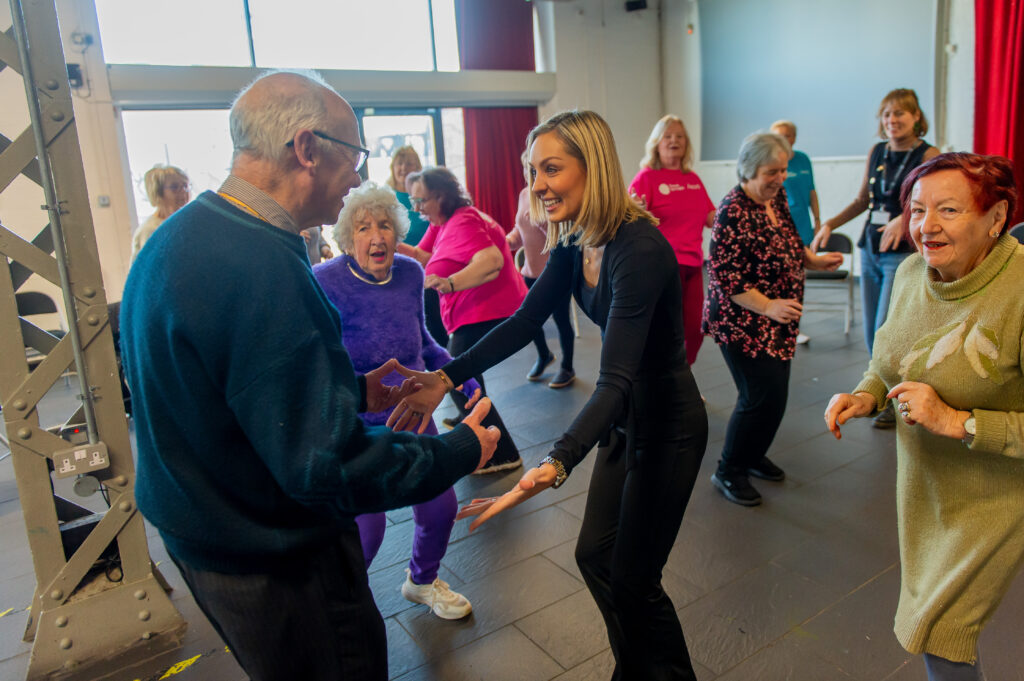
It makes sense then that Public Health Wales and the Arts Council of Wales signed a memorandum of understanding in 2024 to strengthen the role of arts and creativity in addressing population health and wellbeing. Their stated aims include improving equity of access and outcomes, building the evidence base, and supporting the translation of evidence into practice. The Wales Arts Health and Well-being Network exists because people across sectors already understand that serious conversations about public health must involve thinking about arts and creativity.
What kind of Wales are we trying to build?
The neglect of arts and culture funding in Wales reflects an impoverished view of what public investment is for. But that is a failure of political imagination, not a failure of the arts. A confident country does not treat the arts as expendable – it understands that they are essential.
In Wales, arts and culture are not peripheral to national life, they are ways in which Wales knows about itself and can imagine its future. The arts create spaces for joy, grief, memory, dissent, language, ritual, and connection. They can support our health, strengthen our communities, animate our local economies, and give people a sense that life is about more than just survival.
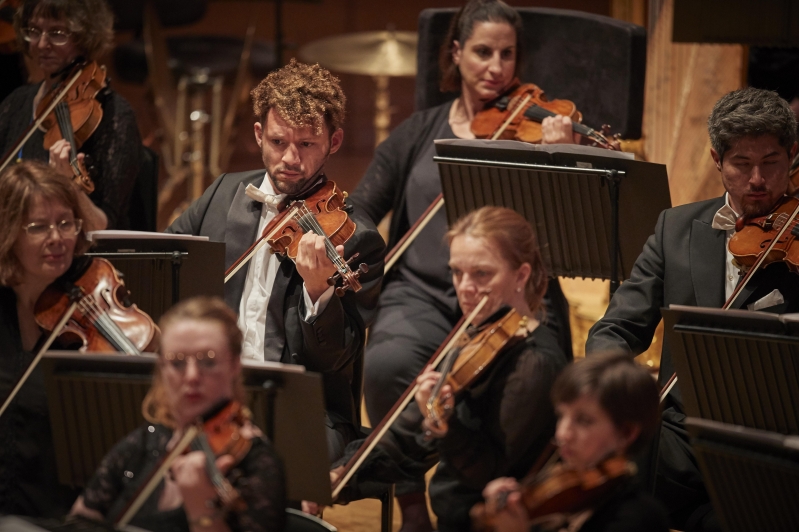
So if we are serious about building a stronger, healthier Wales, then properly funding arts and culture has to be part of that vision. That funding also needs to support arts for everyone – not just for certain regions of Wales, or for a narrow elite already comfortable in cultural spaces. Arts and culture belong to us all.
As voters weigh up what kind of Wales they want after May, they should ask not only which party talks most convincingly about growth, public services, or a better future, but which parties are prepared to treat arts and culture as a vital part of that future.
James Downs is a mental health campaigner, researcher and expert by experience in eating disorders. He lives in Cardiff and can be contacted at @jamesldowns on X and Instagram, or via his website: jamesdowns.co.uk
Support our Nation today
For the price of a cup of coffee a month you can help us create an independent, not-for-profit, national news service for the people of Wales, by the people of Wales.



Culture is what separates humans from animals.