


We don’t become invisible with age – we become more ourselves
Rhian Lindley
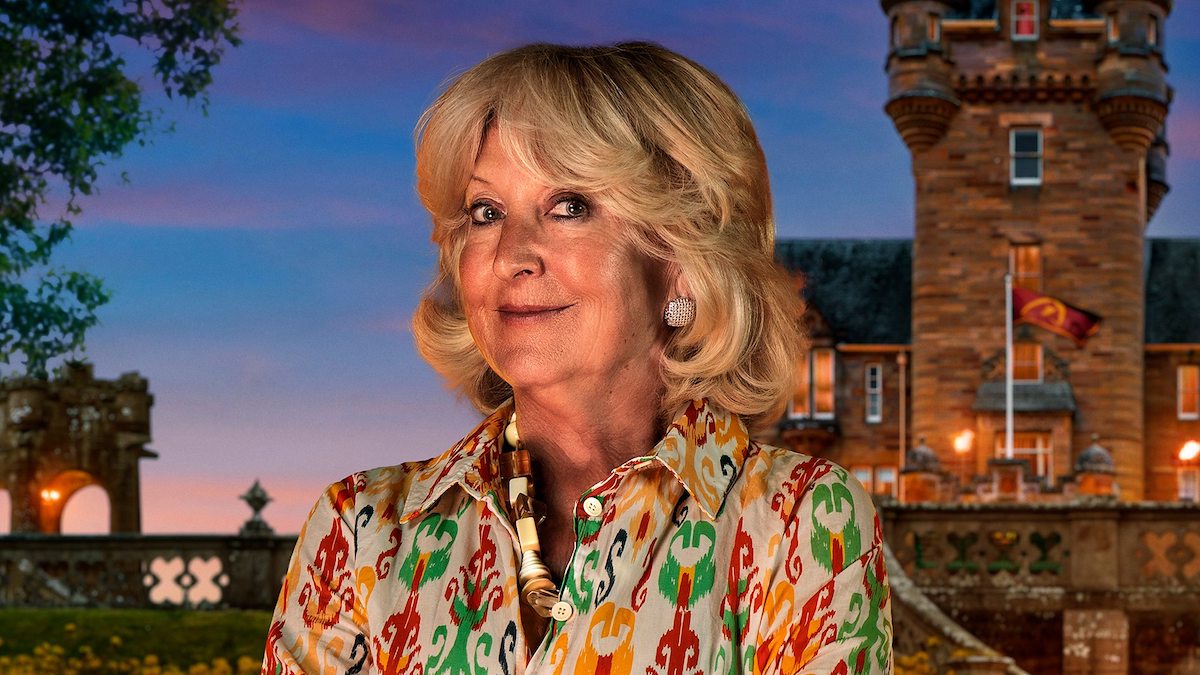
When Fiona Hughes, a 62 year old local government officer and arguably one of the best ‘Traitors’ we have ever seen from the BBC’s The Traitors, recently spoke about becoming “invisible” as she’s grown older, and women having “no voice” her words struck a nerve.
Thousands of women recognised the feeling: being looked past in meetings, overlooked socially, quietly edited out of relevance.
It was a moment of rare honesty on a mainstream stage. And yet the idea it expressed – that ageing renders women invisible – is so familiar it has almost become accepted wisdom.
But in my work with women in midlife across Wales, I see something very different.
I work with women navigating menopause, divorce, burnout, identity shifts and career reinvention – women raising families, leading teams, caring for ageing parents, running businesses, working in the public sector, and holding communities together. Women whose lives are not shrinking, but expanding in complexity, responsibility and depth.
What I witness daily is not disappearance, but consolidation. A gathering of self.
A steadiness that comes from having lived, lost, built, endured, loved and recalibrated.
This chapter is not a fading. It is an arrival.
For many women, the years between forty and sixty bring an internal authority that simply cannot be manufactured earlier in life. Boundaries become clearer. Tolerance for the inessential falls away. Values sharpen. The desire to live truthfully grows louder than the desire to be liked.
There is a new relationship with time – less frantic, more intentional. A new relationship with ambition – no longer borrowed from other people’s expectations, but shaped from within. A new relationship with the body – more honest, sometimes more demanding, often wiser.
This is not the loss of identity. It is the refinement of it.
And yet our institutions have not kept pace.
Reward youth
Across workplaces, public bodies and the media, we still reward youth over depth, speed over wisdom, polish over substance. We speak of menopause in hushed tones. We frame reinvention as instability. We treat ageing as something to be managed rather than valued.
Professional women in midlife are subtly reclassified: experienced, yes – but also “difficult”, “expensive”, “resistant to change”, “past their peak”.
So when Fiona describes feeling invisible, she is not describing a personal failing. She is naming a structural one.
A culture that struggles to recognise female authority when it no longer arrives wrapped in youth.
A media landscape that still measures women’s relevance through attractiveness and novelty.
A working culture that too often mistakes confidence without apology for threat.
The result is a quiet contradiction: women growing more powerful internally, while being treated as less significant externally.
This has consequences far beyond individual confidence.
Sidelined
When experienced women retreat, downshift or are sidelined, Wales loses discernment. We lose emotional intelligence. We lose long-view thinking, ethical leadership, institutional memory and the ability to hold complexity without panic.
These are not “soft skills”. They are forms of social and economic infrastructure.
At a time when Wales is navigating economic transition, fragile public services, demographic ageing and widening inequality, we cannot afford to waste the most psychologically sophisticated demographic we have.
Yet many women I meet are not withdrawing because they lack confidence.
They are becoming selective.
Midlife teaches women where their energy truly belongs. The performative layers fall away. The appetite for proving diminishes. What remains is precision.
Who deserves my voice?
Where does my work matter?
What am I no longer willing to tolerate?
From the outside, this can look like fading into the background.
From the inside, it feels like coming home to oneself.
Perhaps the question is not why women like Fiona feel invisible as they age.
It is why our culture – including our employers, institutions and media – has become so poor at seeing women once they stop performing youth.
Ageing does not make women invisible.
It makes us more exacting about how – and where – we choose to be seen.
If Wales wants resilient organisations, humane leadership and credible long-term thinking, it would do well to look again at the women it is quietly overlooking.
Rhian Lindley is a Wales-based coach and retreat facilitator working with women navigating midlife and major life transitions including menopause, burnout, divorce and career change. She runs The Reset Salon, a luxury one-day retreat series supporting women to reclaim clarity and confidence.
Support our Nation today
For the price of a cup of coffee a month you can help us create an independent, not-for-profit, national news service for the people of Wales, by the people of Wales.


