


Welsh Women for Peace: A Century of Voices Still Rising
Merched Cymru dros Heddwch
On International Peace Day this year, more than 400 women across Wales completed a 24-hour fast in solidarity with the people of Gaza. It was a simple act of giving up food for a day. But its meaning went far beyond hunger. For many, it was about refusing silence.
The fast was organised by Merched Cymru dros Heddwch (Welsh Women for Peace), a new grassroots network that grew almost overnight.
It began when Angharad Elen challenged a few friends on Instagram to fast in solidarity. Within days, their WhatsApp group had swelled into a busy hub of hundreds.
From teenagers speaking out for the first time to long-serving campaigners, the fast drew women across generations into one collective act.
Echoes from the past
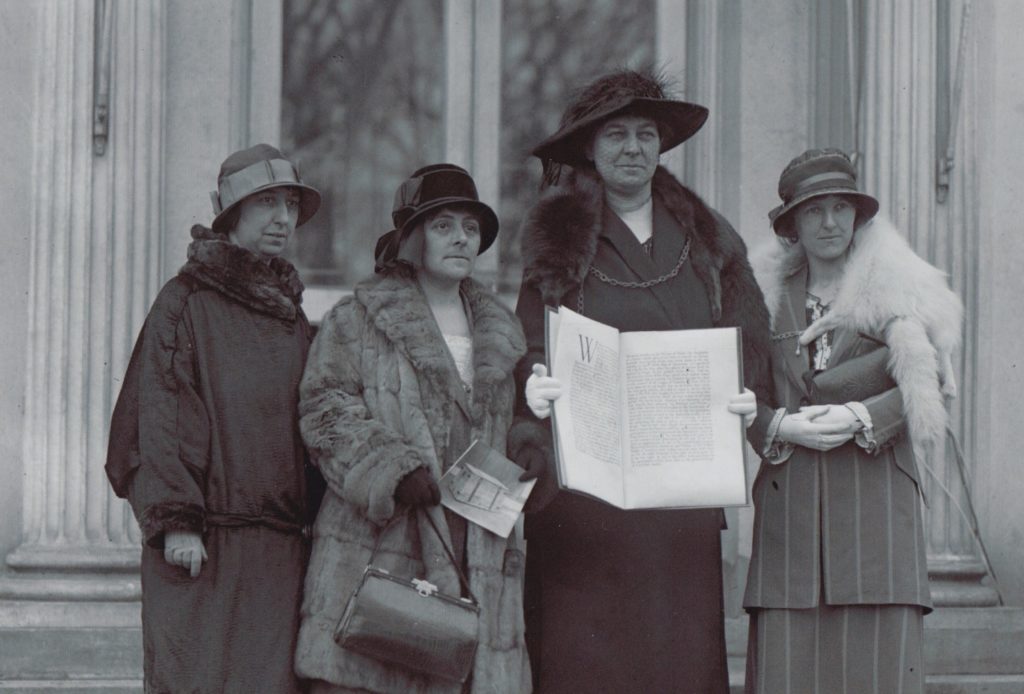
The echoes of history are impossible to ignore. In 1923, nearly 400,000 Welsh women signed a peace petition carried across the Atlantic, calling for a world without war.
That petition, long forgotten, was recently returned to Wales. It stands as proof of the extraordinary power of ordinary women to demand change. A century later, Welsh women once again feel compelled to raise their voices.
Some dismiss fasting or petition-signing as merely symbolic. But symbols matter. They make solidarity visible and give shape to resistance. And this movement is not just about a single fast.
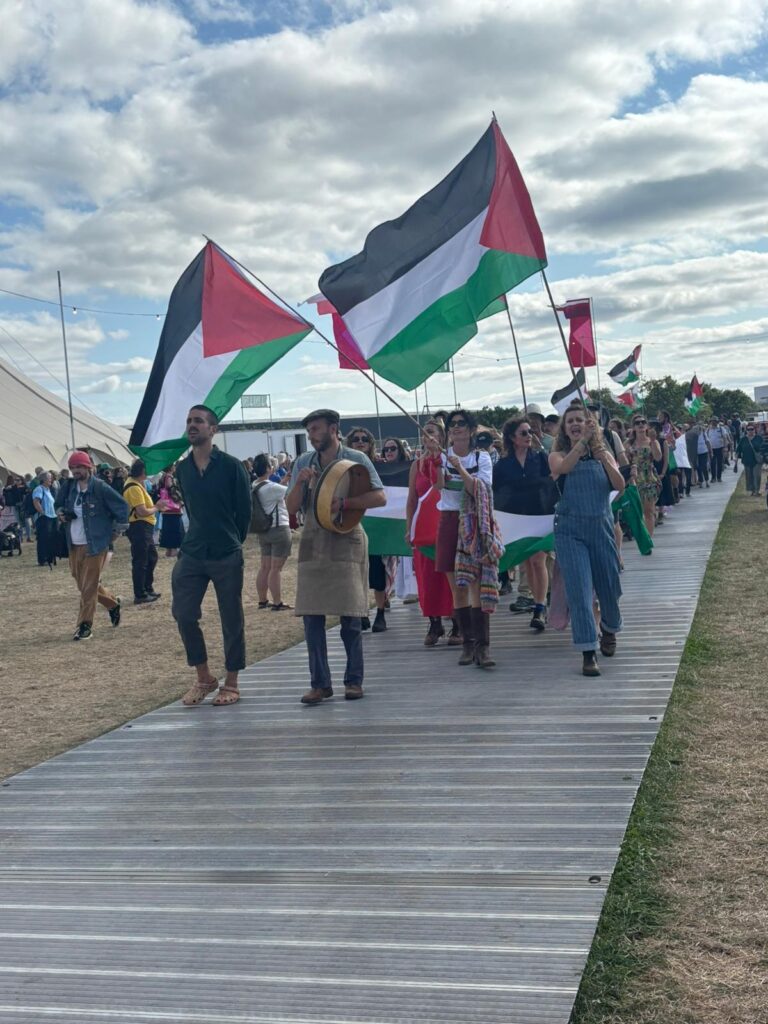
Merched Cymru dros Heddwch has launched the Welsh Women’s Peace Declaration 2025, urging women of all ages to add their names.
Alongside it are practical actions: boycotts of companies fuelling the conflict, fundraising for medical aid, and weekly vigils in towns across Wales.
What is striking about this campaign is not only its urgency but also its creativity and care. Poets, singers and artists have offered words, music and artwork.
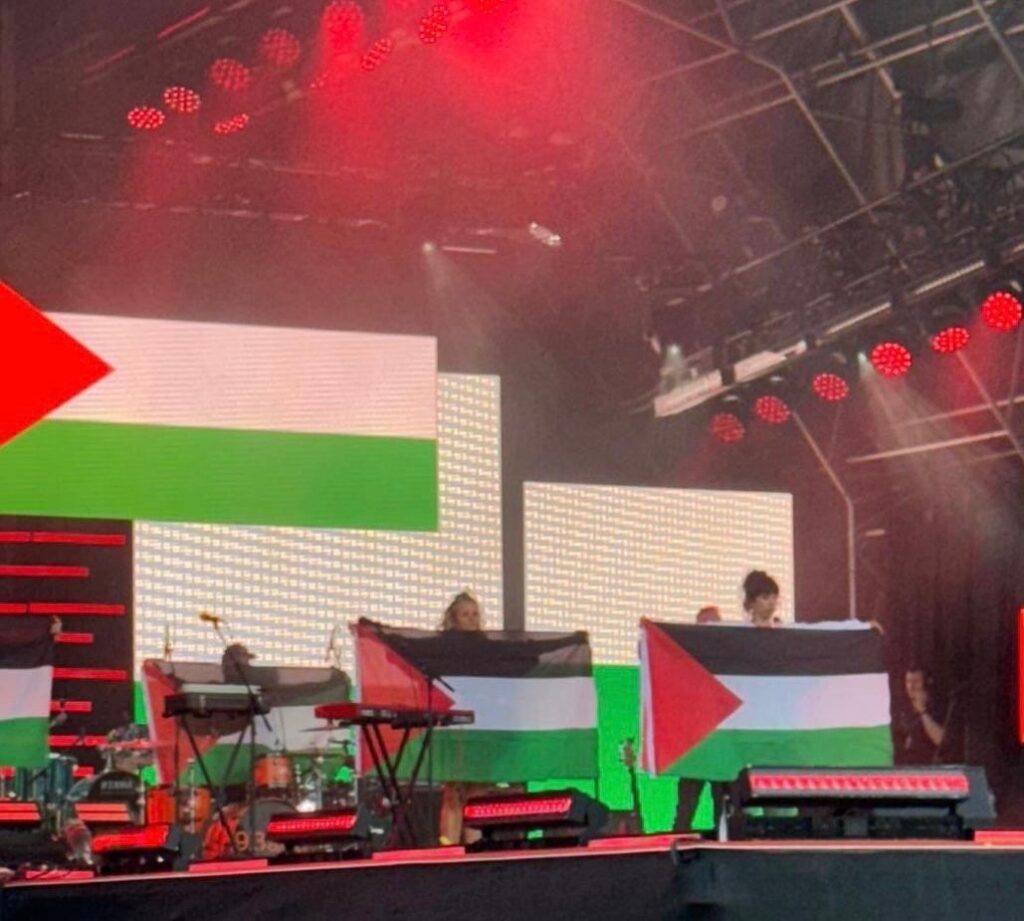
Others have auctioned their creations to raise funds. Women, trans and non-binary voices have chosen to respond not just with outrage but with imagination and compassion.
It is a reminder that peace is more than the absence of war. It has to be built with courage, empathy and persistence.
A oes heddwch?
When Mererid Hopwood, Archdruid and peace campaigner, led the Eisteddfod this summer, she echoed the traditional call: “A oes heddwch? Heddwch!” — “Is there peace? Peace!”
The words are ancient, but the question is painfully current. The answer lies in our actions, however small, to say we will not accept violence as inevitable.
View this post on Instagram
The fast was never about one day. It was about making visible a tradition that belongs to us: a legacy of Welsh women who refused to be silent in the face of war.
That tradition is alive in every name added to the Peace Declaration, every vigil in the rain, every conversation sparked in a school, workplace or chapel.
We cannot end the conflict alone. But we can refuse to be bystanders. We can insist that leaders press for peace. We can give what we can to those suffering. And we can lend our voices to the centuries-long chorus of Welsh women who believed, and still believe, that another world is possible.
In 1923, our foremothers carried a petition across the ocean. In 2025, we carry forward their spirit. The Welsh Women’s Peace Declaration is our chance to honour that history and to demand a future where peace is not a dream but a reality.
Support our Nation today
For the price of a cup of coffee a month you can help us create an independent, not-for-profit, national news service for the people of Wales, by the people of Wales.



All these wonderful people( miners gong to Spain as well) are having their memories sullied by som e racist, mindless thugs today. 😡😡😡😡🏴🏴