


When will we learn: Our diet kills chickens, swans, and soon enough, us?
Kate Werner
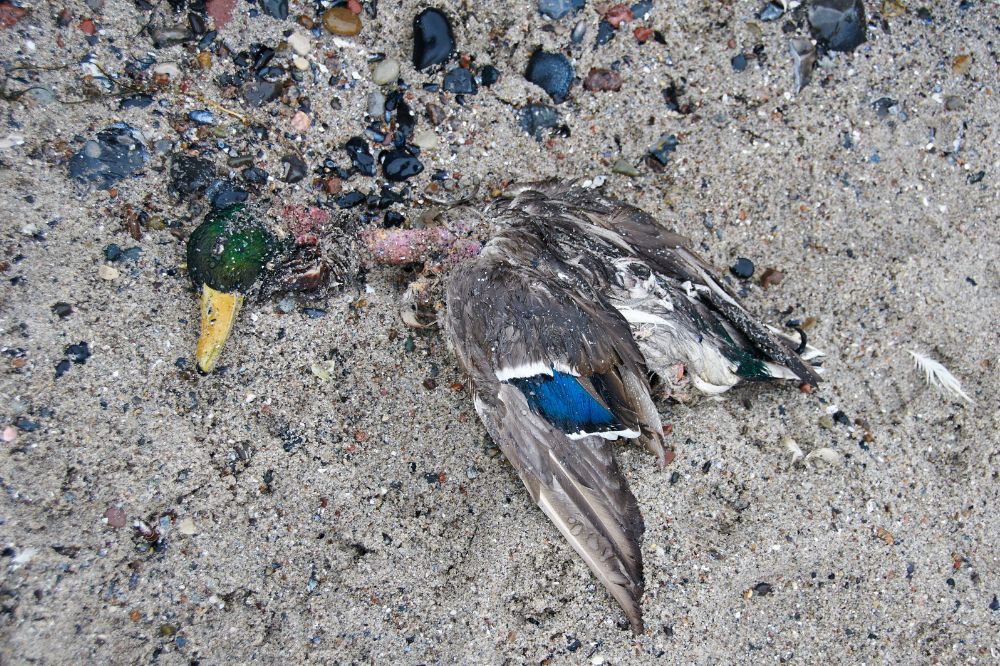
Once again, the bird flu alarm is ringing, this time triggered by the deaths of a dozen swans in Fendrod Lake, Swansea, with a sign nearby claiming that the birds showed signs of avian flu.
While Defra has yet to confirm this, it’s no stretch; the incident is just one in a growing number of confirmed cases of avian flu among wild birds, which have led to widespread culls, a mandatory Avian Influenza Prevention Zone (AIPZ), and strict restrictions on bird keepers.
The concerns are valid. If anything, despite barely a day going by without a headline warning about an imminent avian flu pandemic that could make Covid-19 look tame, we’re underreacting.
While we are ostensibly worried about a potentially fatal human strain of bird flu, we’re also doing almost nothing to prevent one. Worse, our eating habits are exacerbating the risk.
To feed our appetite for bird flesh, the UK is now experiencing chicken shop saturation, and Powys has been dubbed the “poultry capital of Wales” due to the high number of bird farms.
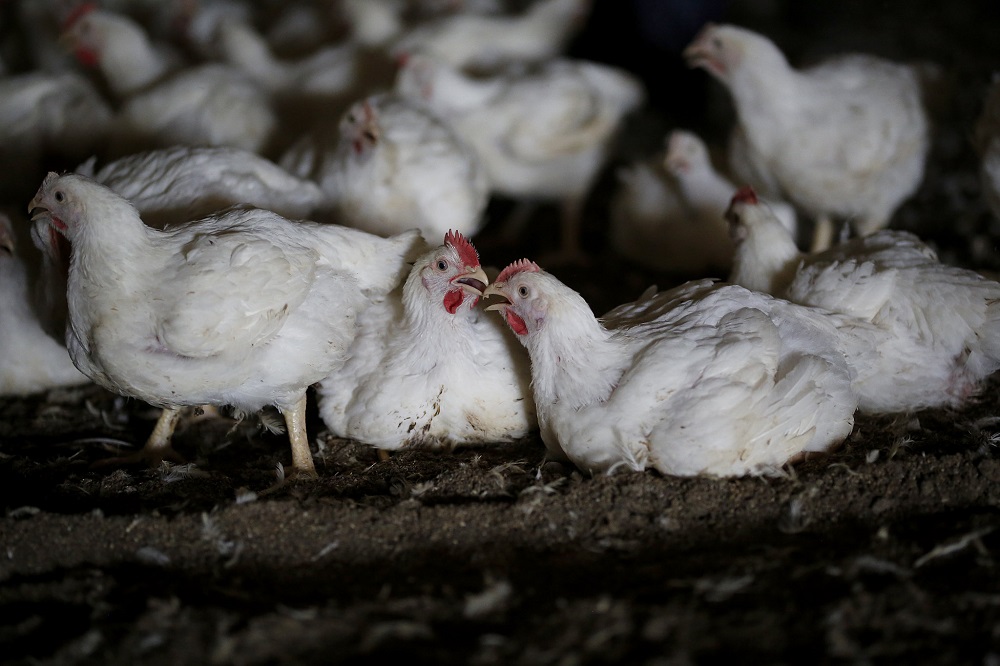
In Wales alone, over 6 million chickens are confined for their flesh, with 94% of birds bred for meat trapped on dark, dirty and cramped factory farms, where they can barely stretch a wing, let alone peck, dust bathe and roost.
Those who survive these hellholes are thrown into lorries and trucked to slaughterhouses, where they’re hung by their fragile feet and dragged through an electrified bath before having their throats sliced open.
It’s pure speciesism to mourn the Fendrod Lake swans and not the billions of birds who end up on our plates.
Chickens and turkeys are, after all, the same as swans in all the ways that matter. Curious chickens enjoy puzzles and games, possess impressive memories, and enjoy complex communications with friends and family.
Turkeys are affectionate birds who form lifelong bonds and even enjoy a cuddle, while ducks are gregarious, and geese are loyal. Like the dogs and cats many of us share our homes with, all birds are individuals who cherish their lives.
The jump from bird farms to wild bird deaths from avian flu is shorter than a winter’s day.
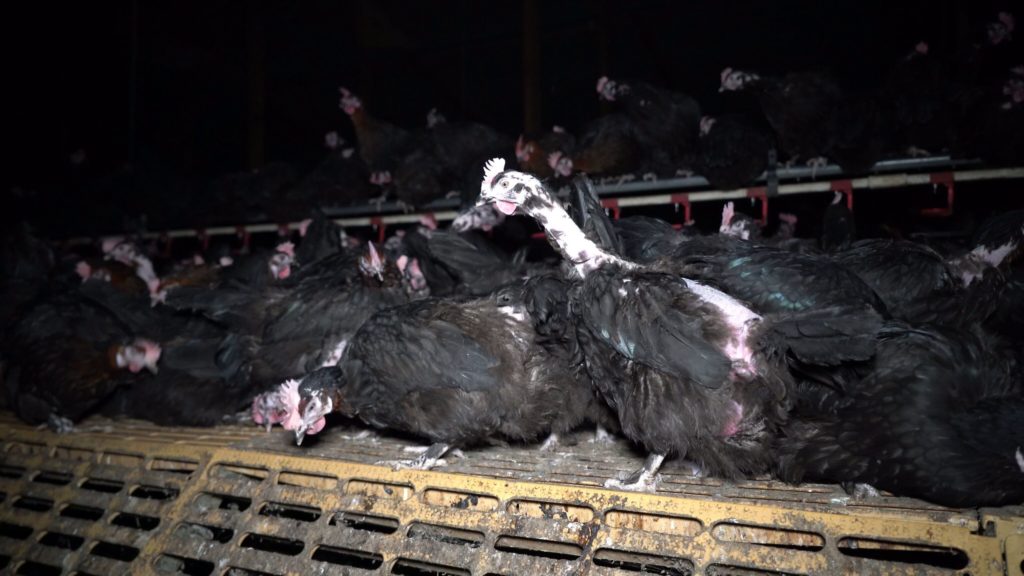
Bird farms are notoriously filthy – Powys, Shropshire and Herefordshire poultry operations contribute 10-12 times as much manure within the Wye and Severn catchments as sewage from the human populations of the three counties – and space is in short supply, making it easy for viruses to take hold and spread.
Such illnesses are impossible to contain, and the far-reaching flight patterns of wild birds are the ideal vehicle for virus delivery.
From there, we’re a tiny, unpredictable “conversion event” away from a strain of avian flu that’s fatal to humans.
Had a time traveller told you, in 2018, that a market you frequented would soon become ground zero for COVID-19, an illness that would kill more than 7 million people globally, would you head there for dinner, or boycott it, and urge others to do the same?
Of course, you’d stop paying for the problem; that’s just common sense. While it’s too late to prevent COVID-19, we’re now on the precipice of an avian flu pandemic.
We can heed the science, connect the dots, and refuse to fund poultry production, or we can post a sad face reaction on social media about swan deaths, chow down on a roast bird, and practice farewelling our ICU-ailing relatives via Zoom.
Given that you can now buy vegan nuggets, strips, wings, thighs, drumsticks, deli slices, and Christmas crowns and roasts just a few feet away from the fridge where you find dead birds, it’s a no-brainer.
Many diners can’t differentiate between vegan chicken (which is also better for the planet) and bird body parts, meaning all you’re really clinging to when you refuse to make the switch is cruelty to animals. We can spare ourselves – and gentle animals – by simply leaving them off our plates.
Every avian flu death of a bird, wild or otherwise, is writing on the wall.
We can heed it, or brace for the birds we kill to become the death of us. It’s the most impactful action we, as individuals can take, if you’re not ready for your swan song just yet, go vegan.
Kate Werner is Senior Campaigns Manager at People for the Ethical Treatment of Animals, PETA.
Support our Nation today
For the price of a cup of coffee a month you can help us create an independent, not-for-profit, national news service for the people of Wales, by the people of Wales.



You make valid points about farming practices but sound rather silly talking about ‘speciesism’. It’s quite simple – swans are not a mass production food source (I understand they don’t taste great either) while chickens are (and organic happy ones taste great).
Totally agree
There are some excellent meat alternatives, unfortunately they seem to be a UPF catastrophe.
Plenty of vegan propaganda on this site today.
Buy free range poultry myself, this will involve a chicken. Never had a Swan as mentioned in the PETA press release, which I understand is a wild bird and killing them is an offence under the Wildlife and Countryside Act. They do say Christmas is a silly season. Last years PETA video showed a lone dairy cow in a field being killed. Fairy stories from the ignorant.
I totally agree with you Kate. Eating sentient creatures is morally indefensible, as well as being very bad for ones’ health and the environment. Not surprising that the comments here all appear to come from men, as meat-eating is commonly associated with toxic masculinity (see the average barbecue, and who does the cooking (but not the washing up) there. Meat-eating must also correlate with stupidity, since the evidence for the links between that and increased cancer risk has been known for a long time.
Google Frankenchickens, so you can understand the plight of these defenceless creature.
Is it a Netflix spin off?