

Why hearing care is fundamental to the nation’s health
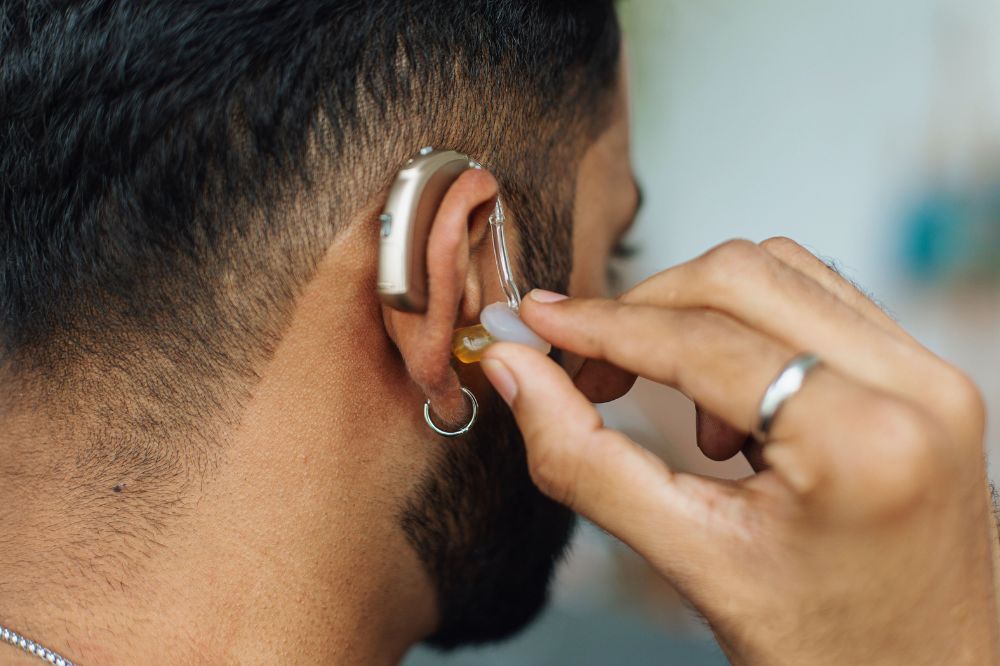
Crystal Rolfe
More than 850,000 people in Wales have some degree of hearing loss. And while many live well with hearing loss or deafness, if left undiagnosed or without the right support, it can have a profound effect on health and wellbeing.
There is strong evidence that shows managing hearing loss early helps people to stay connected, socially active, and manage their own health – while reducing the risks of social isolation, depression, anxiety, as well as frailty and falls in older people. Depression and social isolation have also been shown to increase the likelihood of developing dementia.
Therefore, early intervention and diagnosis of hearing loss is crucial. But, despite its importance, audiology as a service has not always had the recognition and support needed. A recent independent review of audiology in England described it as a “Cinderella service” that is often “overlooked, undervalued, underfunded.”
The consequences of neglecting audiology are not hypothetical. In recent years, serious failings in children’s audiology in Scotland and England, including the well-publicised NHS Lothian scandal, have highlighted just how damaging it can be when audiology services are overlooked.
Wales has not faced such crises and is seen as a leader in hearing care, at the forefront of innovative approaches. Audiology has been brought into primary and community care in both Swansea Bay UHB and Betsi Cadwaladr UHB, including an award-winning Audiology Van in North Wales which brings services, like hearing checks and wax removal, directly into communities.
Wales is in a stronger position, but there are still huge challenges. Alongside needing to transform to meet rising demand, services are still struggling with the impact of the COVID pandemic, with more than 10,000 people on last reported waiting lists.
We cannot continue to undervalue the importance of hearing care. The examples of failings around the UK demonstrate why audiology services are integral to the country’s health.
The new Future Approach to Audiology launched by Welsh Government goes some way to address this, with its ambitious vision to reform and modernise audiology.
RNID (Royal National Institute for Deaf People) are proud to have helped shape this approach alongside Welsh Government, NHS Audiology, charities like NDCS and others in the sector. Crucially, the new strategy includes several priorities which we have long campaigned for.
Earlier intervention and diagnosis
Tens of thousands of people in Wales may have hearing loss but have not sought help – this is partly because there is no process or incentive within the NHS to encourage people to regularly check their hearing.
We want to see significantly more opportunities for people to check their hearing in Wales. RNID have developed a 3-minute online hearing test, which almost 700,000 people across the UK have taken so far – allowing people to take the first step of their journey at home.
More accessible care within local communities
Being able to see an audiologist in your community has huge benefits for both patients and the NHS. It can reduce waiting times, provide a quicker and more efficient service, allowing patients to see specialists at first contact, while avoiding unnecessary visits to hospital or GPs. Where this is in place in Wales, some waiting times have been reduced by up to 6 months, and the uptake of hearing aids has increased.
However, primary care audiology is in place in only two of Wales’ Health Boards. The Future Approach commits to completing roll out of the first point of contact audiology service across Wales, so we look forward to seeing all Health Boards commit to this transformation.
Ensure everyone has access to free ear wax management where needed
For most people, ear wax moves out of the ear naturally over time, but for some people it can get blocked – particularly as you get older, or if you are a hearing aid wearer – requiring professional removal.
Build up can cause significant pain, cause hearing aids to whistle, cause tinnitus, or even preventable hearing loss. It can also prevent essential audiology care, like hearing assessments.
RNID research found that, despite clear guidance, only three Health Boards have full access to free wax removal. And two of Wales’ largest Health Boards have no service at all – meaning that half of the population live in an area with no service.
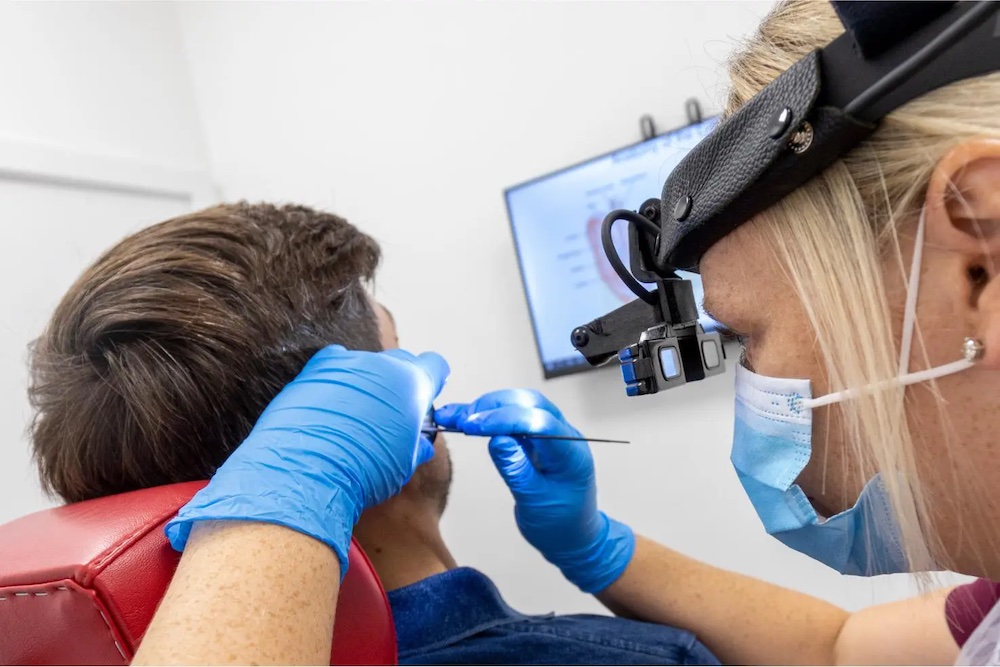
We estimate this means that 48,000 people who require wax removal are left without this essential care or are forced to pay up to £100 for private provision.
The Future Approach commits to roll out ear wax management across Wales. We think this should and can be achieved urgently by rolling out the service models available elsewhere in Wales, to end the postcode lottery.
Better use of technology and digital solutions
RNID believes there is a huge opportunity to innovate in hearing care; to embrace new technologies for a modernised, accessible and person-centred service.
Our recent Hearing Care Reimagined report highlights how digital tools can streamline services, making them more efficient and responsive to people’s needs. From digital or remote hearing checks, AI or automation, to maximising the potential of NHS Apps – there are a wealth of opportunities that Wales could be at the forefront of.
These are just some of the ways we hope to see audiology in Wales transform throughout the next decade. The Future Approach lays the foundation, but we want to build on this momentum. To ensure everyone in Wales can protect and regularly check their hearing, and access the essential hearing care they need, through services fit for the future.
RNID is the national charity supporting more than 18 million people in the UK who are deaf, have hearing loss or tinnitus. RNID also provides in-person information and support at RNID Near You drop in sessions across Wales.
Crystal Rolfe is Director of Health at RNID
Support our Nation today
For the price of a cup of coffee a month you can help us create an independent, not-for-profit, national news service for the people of Wales, by the people of Wales.


