


Argentina 35, Wales 21: Reality check for Wales ahead of daunting South Africa test
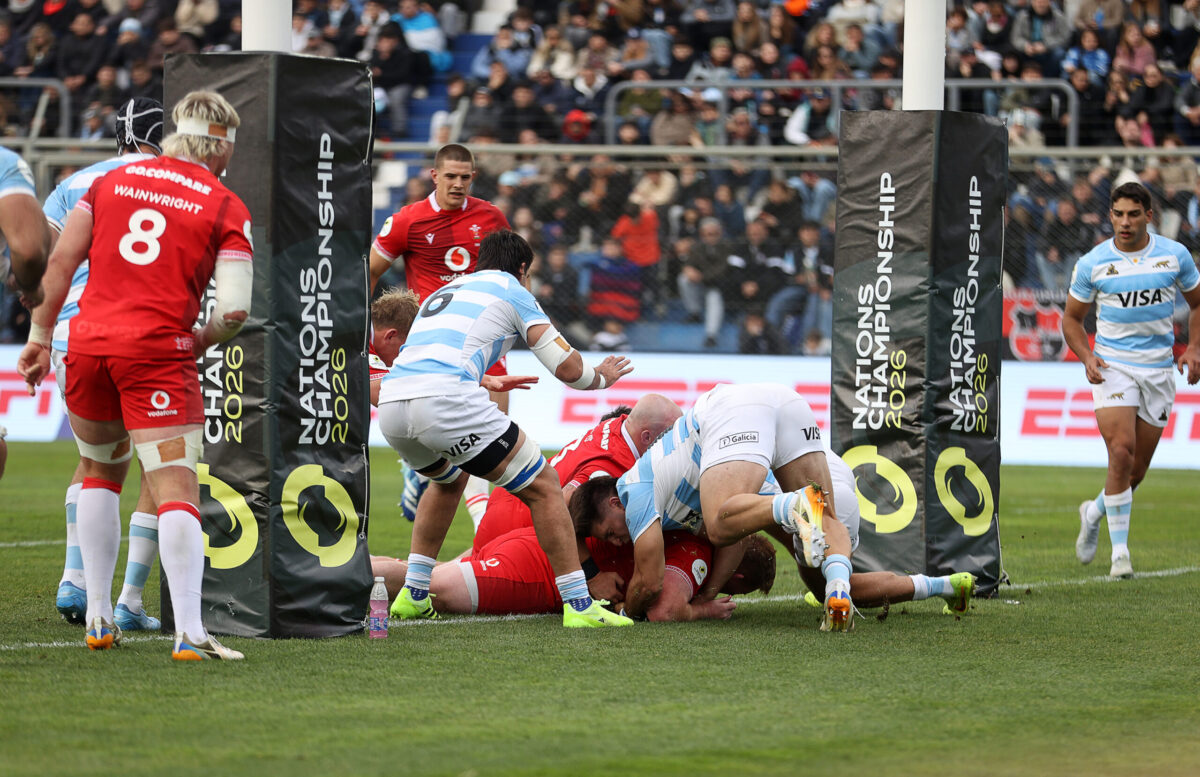
Simon Thomas
You’re battered, you’re bruised, you’ve just been beaten all ends up and now you are heading for South Africa to take on the world champions.
That’s the brutal reality facing wounded Wales this week.
The new Nations Championship was always going to show us just how much improvement Steve Tandy’s team has really made and where they stand in the Test pecking order.
Those questions have been emphatically answered by yesterday’s one-sided clash with Argentina in San Juan and one wonders just how painfully the points will be hammered home when they meet the Springboks at Durban’s Kings Park Stadium next Saturday.
The opening weekend of the new global competition had provided encouragement and optimism with Wales claiming a 39-24 victory over Fiji, a team two places above them in the world rankings.
But that result was put in fresh context by the Fijians going down to a thumping 73-8 defeat at the hands of England yesterday afternoon.
A far sharper reality check was to follow later in the day as Wales were comprehensively outplayed by Argentina, shipping five tries in losing 35-21, a scoreline which didn’t fully reflect the gulf between the two sides.
For additional context, the Pumas had lost 47-38 at home to Scotland the week before and the Scots then went down 42-28 against South Africa.
So you can do the maths and speculate what that could mean for Wales when they take on the ‘Boks.
If Tandy’s side perform like they did yesterday, we may well be heading for a cricket score.
So what exactly went wrong?
Well, it’s a pretty straightforward one to analyse.
Put simply, they were totally second best in both attack and defence.
When that happens, there’s only going to be one outcome and so it proved.
After a morale-boosting run of three successive wins, it really was a case of coming back down to earth with a bump, while there will be concern over an injury to skipper Dewi Lake.

The stats conclusively confirm the story of the game.
First the attack.
In terms of carries, the figures were identical – 157 apiece.
Both what the two sides did with the ball was so markedly different.
Argentina made 15 clean breaks compared with just three by the visitors, while they were way out in front in terms of metres made (458) and post contact metres (397 to 224).
Then there are the defensive stats.
Wales missed 32 tackles, while the hosts fell off just 11.
That’s the continuation of a worrying trend over the last few weeks.
Against the Barbarians and Fiji, Wales missed 26 and 39 tackles respectively.
That makes a total of 97 in three games, along with 13 tries conceded.
Baptism of fire
They are figures that will not make pleasant reading for new defence coach Peter Murchie who is going through a real baptism of fire.
What yesterday’s stats from both sides of the ball point to is one overwhelming problem for Wales.
They are just not winning enough collisions.
In attack, they simply couldn’t find a way through the Pumas’ muscular rearguard, with their limitations best illustrated by two passages of play in the second half.
During those, they went through 17 and 13 phases respectively, but without making any real headway, barely crossing the gain-line.
In sharp contrast, when they were called on to defend, they presented a very thin red line, one the Pumas breached with indecent ease.
Alarmingly, they made just one dominant tackle in the entire game, compared with 13 by their physically imposing hosts. It had the feel of men against boys in the contact area at times.
What was really concerning was that they looked vulnerable right across the park.
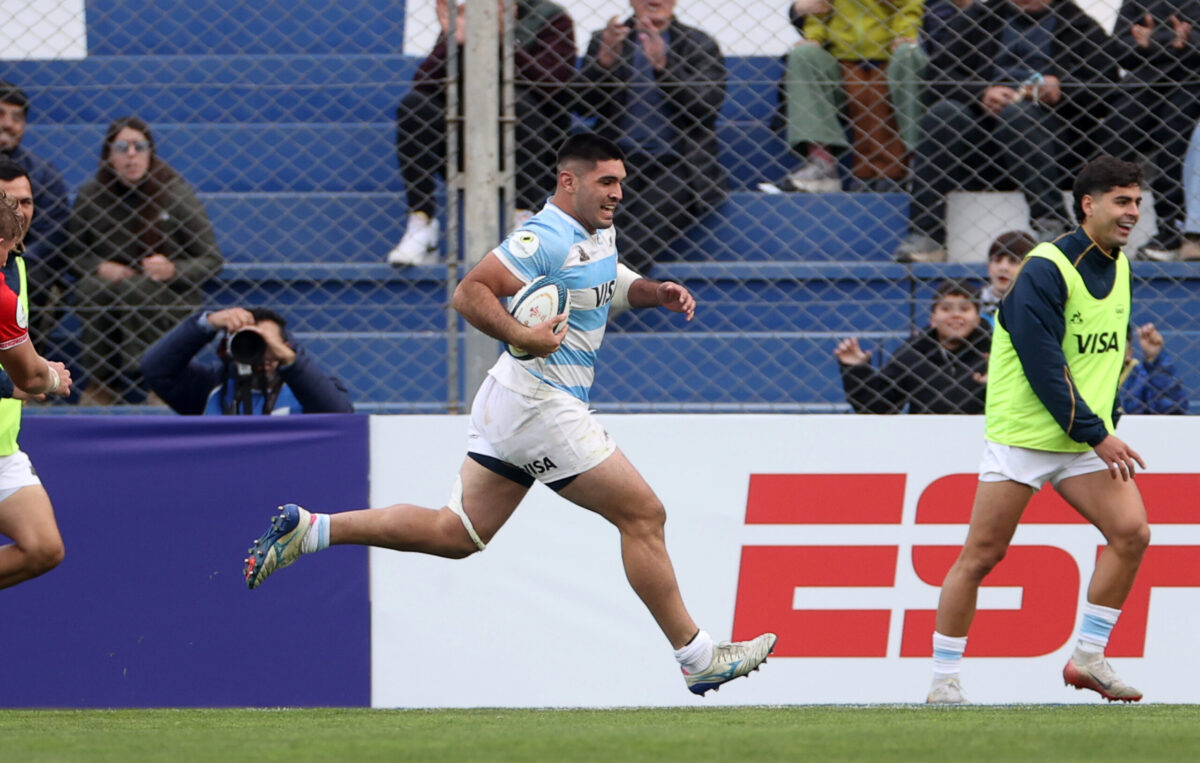
In the close quarter collisions, they just couldn’t knock the Argentine forwards back, with two-try No 8 Joaquin Oviedo, in particular, proving far too powerful for them, making 98 metres and beating six defenders from his 20 carries.
If anything, the men in red looked even more porous in the wide channels, with the unrelated Carreras back three boys – Santiago and Mateo – wreaking havoc, producing five line breaks between them.
That, remember, is two more than Wales managed collectively.
The other stat which illustrates how Argentina were much more effective with the ball was the territory tally.
While possession was reasonably even – 52 to 48 – the Pumas dominated territory, 63 to 37.
That points to how superior they were tactically when it came to managing the game in the middle third of the pitch.
They didn’t take any risks there, kicking intelligently when confronted with slow ball and backing that up with a really effective chase and aerial challenge which often reclaimed possession.
That, in turn, contributed to them having 12 entries into the opposition 22.
In contrast, Wales had just four and much of that was down to them losing the crucial battle of the middle third.
If you are looking for one score which really summed up that issue it was Argentina’s fifth try on 48 minutes.
The visitors were attacking near halfway, but not really getting anywhere.
Had that been the Pumas, they would have played the percentages and kicked for position to apply pressure in that way.
But Wales went down another route with calamitous consequences.
Faced with a brick wall, centre Eddie James tried to force things with a one-handed offload and only succeeded in handing over possession.
Five phases later, the Pumas were over the whitewash, with Player of the Match Oviedo running behind the posts for his second.
Somewhat fittingly, the scoring pass from centre Justo Piccardo was a one-handed offload – proof that there’s a time and a place for such party pieces.
Fragile
If you look through the hosts’ other tries, you can identify the varying ways they unpicked the fragile Welsh defence.
For their first, full-back Santiago Carreras made the key half-break and then it was all about the support play, first from the two wingers and then the rampaging Oviedo.
Their second was down to winning a couple of one-on-one contests, in the air and on the ground.
Winger Bautista Delguy showed huge bravery to come out on top in an aerial battle with Sam Costelow as he fearlessly leapt high to take the ball on the run and then it was over to Piccardo to provide the finish by breaking the attempted tackle of James.
Their third try showed they could also turn to the pack as the huge Marcos Kremer forced his way over off a rolling maul, while their fourth just before the break was another product of pummelling power.
A series of mighty carries had seen them batter their way right up to the line, sucking in the Welsh defence to such an extent that there was a three man overlap when the ball was shipped left, with Santi Carreras cruising over.
That made it 28-14 at the break, a lead which was extended to a winning buffer by Oviedo’s aforementioned second.
While the Pumas were able to score in a variety of ways, it was a markedly different story for Wales who are a very limited attacking outfit right now.
At present, they only look capable of scoring off two particular ploys – the lineout maul and the close range tap penalty.
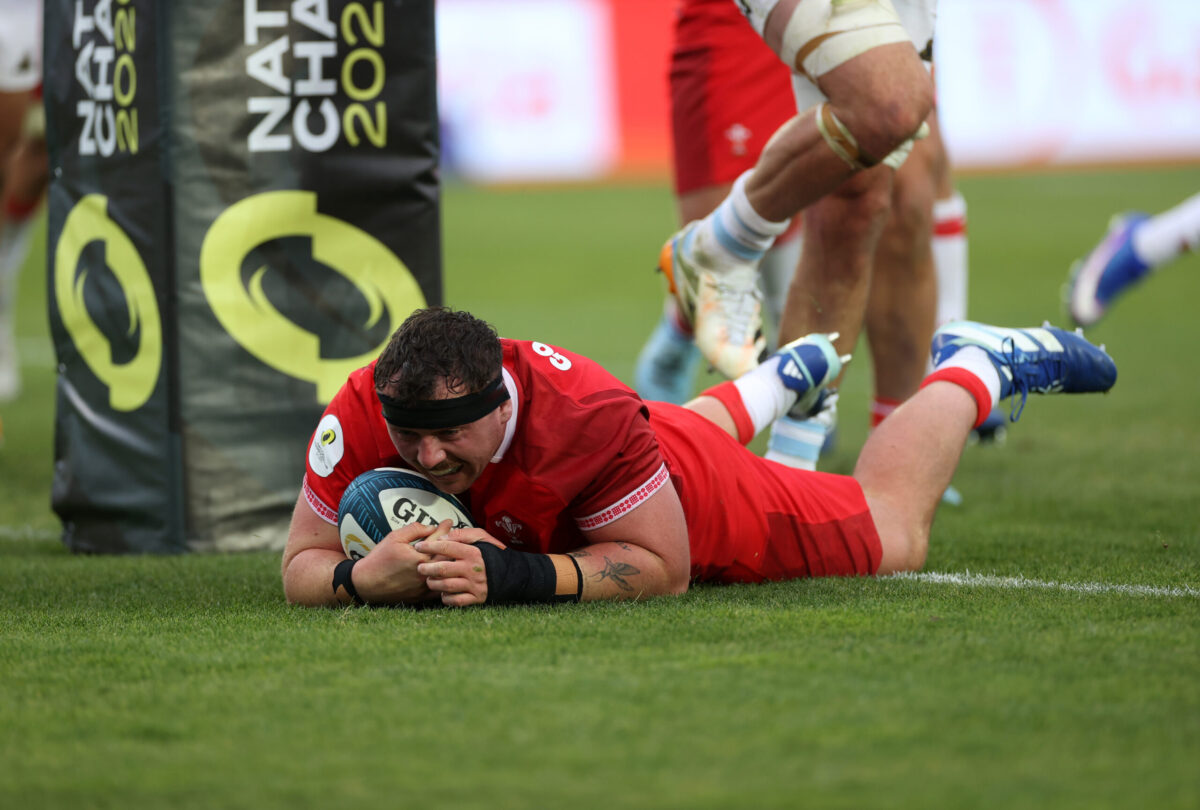
They scored direct from a driving maul for their first, with captain Lake the man in the van, while that was also the platform ahead of prop Ben Warren going over for their last.
In between, there was a trademark try from Rhys Carre off a tap and go.
As usual, hooker Lake made the initial carry, then Aaron Wainwright ran a decoy line ahead of Tomos Willams feeding Carre who made a bee-line for the two Pumas centres, crashing over between them despite their combined efforts.
That’s now five tries in the last six Tests for the loosehead, which is some return.
But the problem is, aside from his carrying power and the efficiency of their lineout drive, Wales have few other weapons.
They just don’t look like delivering an end result when they go through the phases and they are badly short of strike runners who can make a clean break.
Combine those limitations with defensive disarray and you have a recipe for disaster.
So, far from the ideal ingredients for a trip to South Africa to take on the back-to-back World Cup winners, with the prospect of a Durban demolition looming large on the horizon.
Support our Nation today
For the price of a cup of coffee a month you can help us create an independent, not-for-profit, national news service for the people of Wales, by the people of Wales.
Get more trusted Welsh news
Choose Nation.Cymru as a preferred source in Google News to see more of our journalism.



Excellent summary and analysis, unfortunately!
Much as I feared pre match. ARG dumped their slow start and errors into last week’s match. This time much less messing about. Wales only upped their game in short spasms, could have lost by a lot more. Could get seriously chewed up next weekend.