


Football matches could be called off as FAW issues warning over rock-hard pitches
Nation.Cymru staff
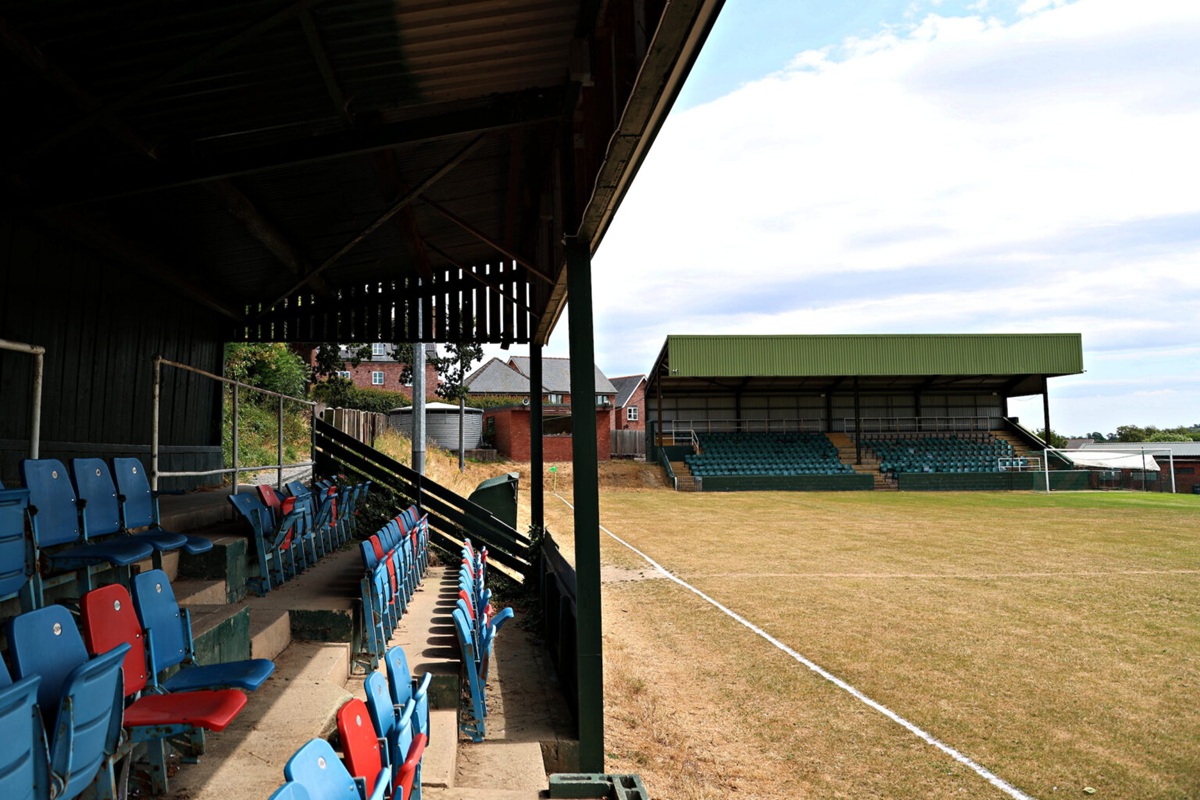
Football matches and training sessions could be called off if pitches have become dangerously hard following Wales’ prolonged spell of dry weather.
The Football Association of Wales (FAW) has issued interim guidance to leagues, clubs and area associations warning that drought-hit pitches should be treated with the same caution as frozen or waterlogged surfaces.
The guidance follows the prolonged dry weather this summer, which has left grass pitches across Wales increasingly hard and dry.
The FAW warns that rock-hard surfaces can increase the risk of serious injuries, including joint trauma, concussion and severe turf burns.
Local authorities and venue owners have primary responsibility for deciding whether public facilities are open and fit to use.
However, match officials, together with managers of the home and away teams, retain the final authority on matchday to decide whether a pitch is safe.
The FAW said that if a surface is considered unsafe or presents an unreasonable risk of injury, a match or training session “must not proceed”.
Clubs and officials have also been given a four-step test to help determine whether drought-hit pitches are safe.
Football studs should be able to penetrate the surface without excessive effort. If they cannot break through the ground, the FAW says the pitch is too hard for competitive football.
Officials should also look for deep cracks or uneven fissures caused by drought, which can create a risk of trips, ankle sprains and knee ligament injuries.
Bare soil and sparse or dead grass should also be considered because they can increase friction burns, abrasions and the impact of falls.
Dry conditions can additionally expose stones, roots and sharp debris that would normally be covered by soil or grass.
Footwear
Where conditions are borderline, clubs are being advised to consider changes to players’ footwear and avoid long metal blades or traditional studs where these are unsuitable for the surface.
Training sessions can also be adapted to reduce the risk of injury, with clubs advised to avoid activities including slide tackles, intensive goalkeeper diving and heavy contact work on hard, dry grass.
If a grass pitch is considered too hard to use safely, clubs are encouraged to move sessions to accredited 3G or artificial pitches or postpone them.
The FAW has also told clubs to follow its hot-weather protocols alongside pitch inspections, including drink breaks and monitoring players for signs of heat illness.
Support our Nation today
For the price of a cup of coffee a month you can help us create an independent, not-for-profit, national news service for the people of Wales, by the people of Wales.
Get more trusted Welsh news
Choose Nation.Cymru as a preferred source in Google News to see more of our journalism.


