


In praise of a footballing gentleman – a tribute to Kenny Jackett

Leon Barton
The first Wales game I attended was April 30th 1985; the famous 3-0 shellacking of Spain in Wrexham. I can still name the Welsh eleven off the top of my head: Neville Southall in goal with his Everton colleagues Kevin Ratcliffe and Pat Van Den Hauwe as the centre backs. Neil Slatter and Kenny Jackett at full back. The midfield was David Phillips, Robbie James, Peter Nicholas and Mickey Thomas, with Ian Rush and Mark Hughes up top.
Swansea legend James died whilst playing, age 40, for Llanelli versus Porthcawl in February 1998. Sadly, last week, we lost a second member of that team, when Kenny Jackett passed away at the age of 64.
Back in 1985, while I was making my debut in the stands, the 23-year-old Jackett was playing his 18th full international. Sadly there were only 13 more caps to come as a persistent knee injury forced him to quit playing in 1990 at the age of just 28. Even with the early retirement, Jackett – a one club player – turned out 428 times for Watford, putting him eighth on the club’s all time appearance list.
He’d made his debut as an 18-year-old in 1980, when the Hornets were in the Second Division, but the connection between the player and the club goes back 13 years prior to his birth, when his father, Ystalyfera-born Frank Jackett, signed for Watford as a 22 year old in 1949. The Welshman only made 14 appearances in four years after signing from Pontardawe Athletic but stayed in the town after his playing days, which meant his son was brought up next to Vicarage Road. In fact, Kenny could see the ground from his bedroom window.
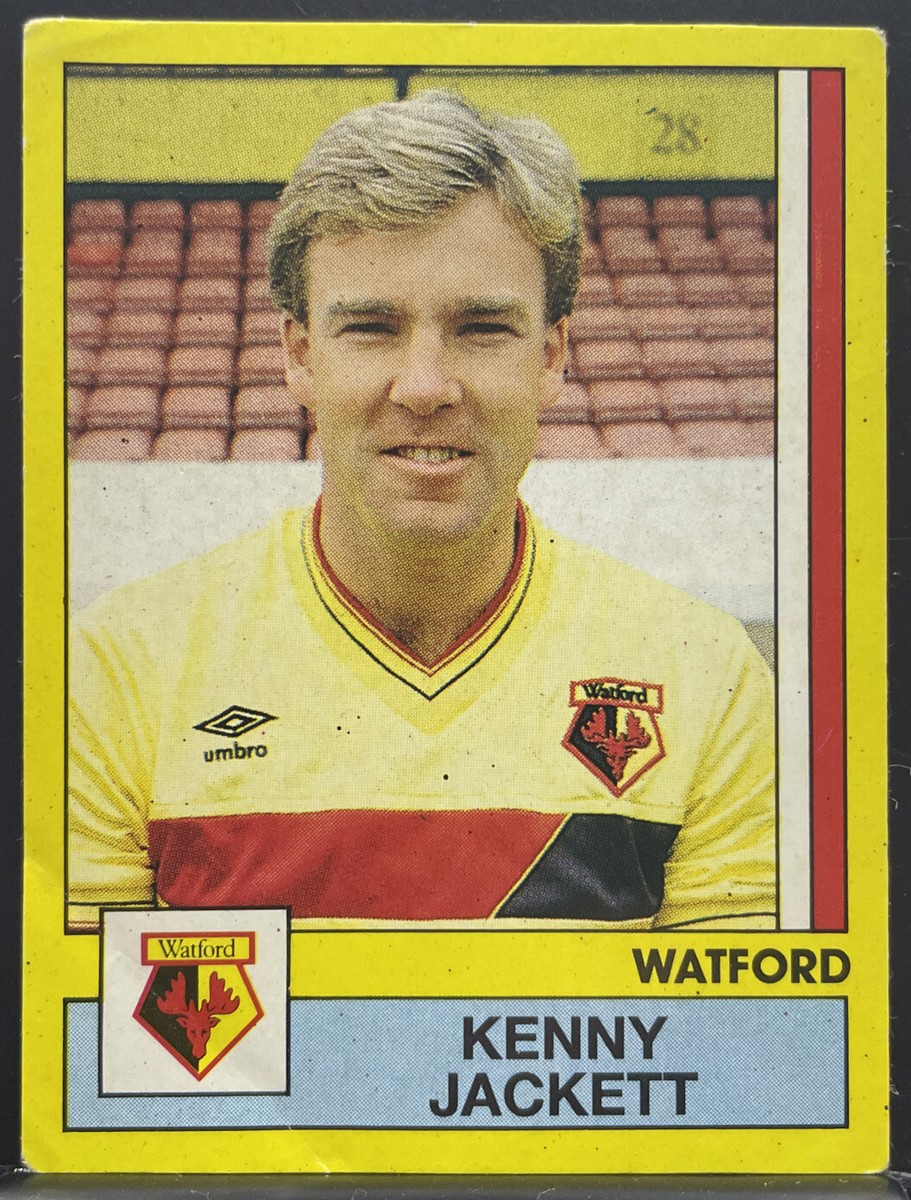
He joined Watford in 1974 at the age of 12. Two years later, a 29-year-old pianist called Reginald Dwight took over the Division Four strugglers and one of football’s most incredible – not to mention surreal – stories was about to begin. Reginald, a Watford fan since childhood, had changed his name to Elton John a few years earlier and managed to shift a few records and concert tickets since, enough to pay off the club’s £200,000 debt at least.
Bringing young manager Graham Taylor in from Lincoln City a year later was the catalyst for a remarkable rise through the divisions. One of Taylor’s first moves was to promote Tom Walley to youth team coach. Walley, a Caernarfon-born Welsh speaker who won one cap for Wales in 1971, was a big influence on the teenage Jackett, along with contemporary future stars such as John Barnes and Luther Blissett, both of whom went on to play for England, not to mention huge clubs in Liverpool and AC Milan. (Walley was later to bring through the likes of Iwan Roberts and Malcolm Allen, both from his home county of Gwynedd).
Two promotions followed before two seasons of Second Division safety. It was towards the end of the first of those that Jackett was given his debut; his versatility (he was equally adept in midfield or at left back and played several games for Watford at centre back) and sweet left foot meant he quickly established himself despite the tender years.
After finishing 9th in 1980/81, Jackett played regularly as Watford’s second place finish ensured they were promoted to the top flight in 1981/82.
So it was as a Division One player that he made his full international debut in September 1982 against Norway in a European Championship qualifier at Swansea’s Vetch Field, around 13 miles from his fathers birthplace. The 20-year-old gave a composed performance in central midfield on a ‘really wet, dirty night’ as BBC Wales commentator Idwal Robin put it. Jackett, 5 foot 11 inches, looked much taller than that next to Brian Flynn at the heart of the Welsh midfield, so his aerial ability stood out, alongside his intelligent positioning. Wales won the game 1-0.
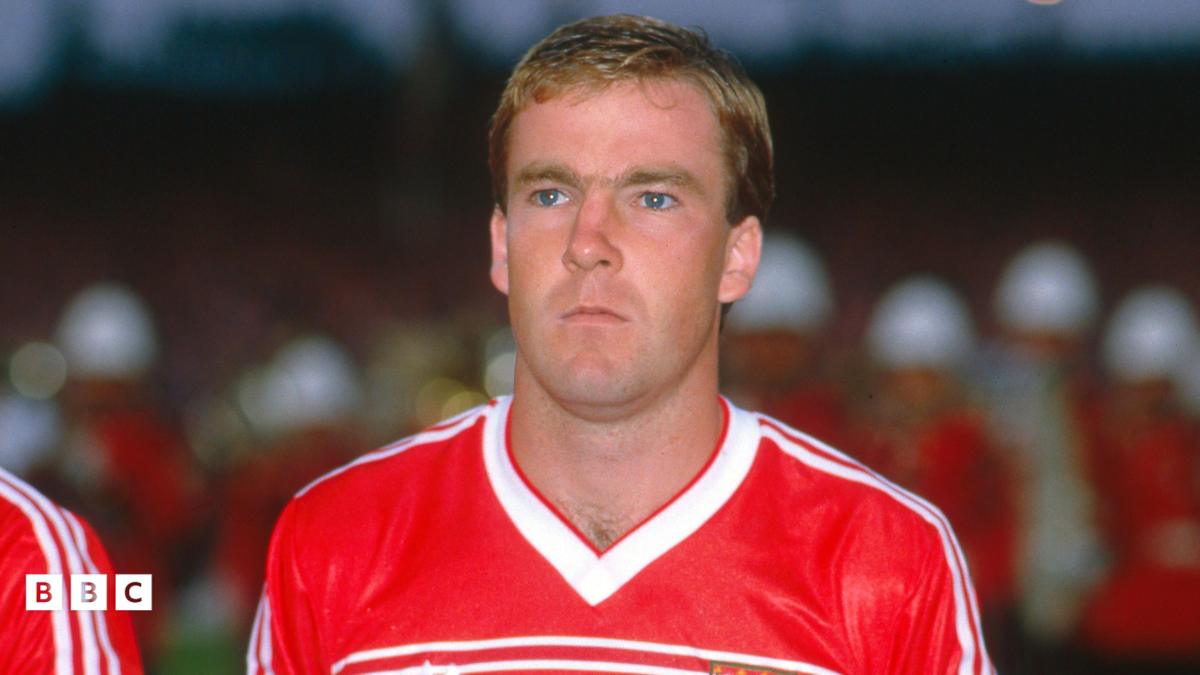
Five months later, in a moment of immense pride for Watford supporters, Jackett marked Hornets team-mate Luther Blissett when Wales played England at Wembley in the Home international Championship. It was a reflection of the Hertfordshire club’s elevated position. Just five years after being in Division Four, Watford finished second in the top flight, with only Liverpool ahead of them at season’s end.
The following year they reached the FA Cup final against Everton, a game the Merseyside club won 2-0.
That Jackett had played for Watford as a left back and a centre back meant his defensive game stood out when he played in midfield. Perhaps if he’d been born 30 years later he’d have been a specialist holding midfielder, but in the Eighties, it wasn’t a position that was particularly established in British football so he got moved about and played where he was needed.
By 1985, with Wales lacking top flight defenders, Jackett was played at left back by manager Mike England, and in the spring of that year he helped keep successive clean sheets as the team recorded a pair of famous victories; Scotland away and Spain at home. This was despite having very much established himself as a midfielder at his club.
Wales missed out on a place at the World Cup after drawing 1-1 against the Scots at Ninian Park, and following another near miss for the 1988 European Championship, Jackett played his 31st and final International against Sweden that summer, under stand-in manager Terry Yorath (England had been sacked at the end of 1987).
The next chapter
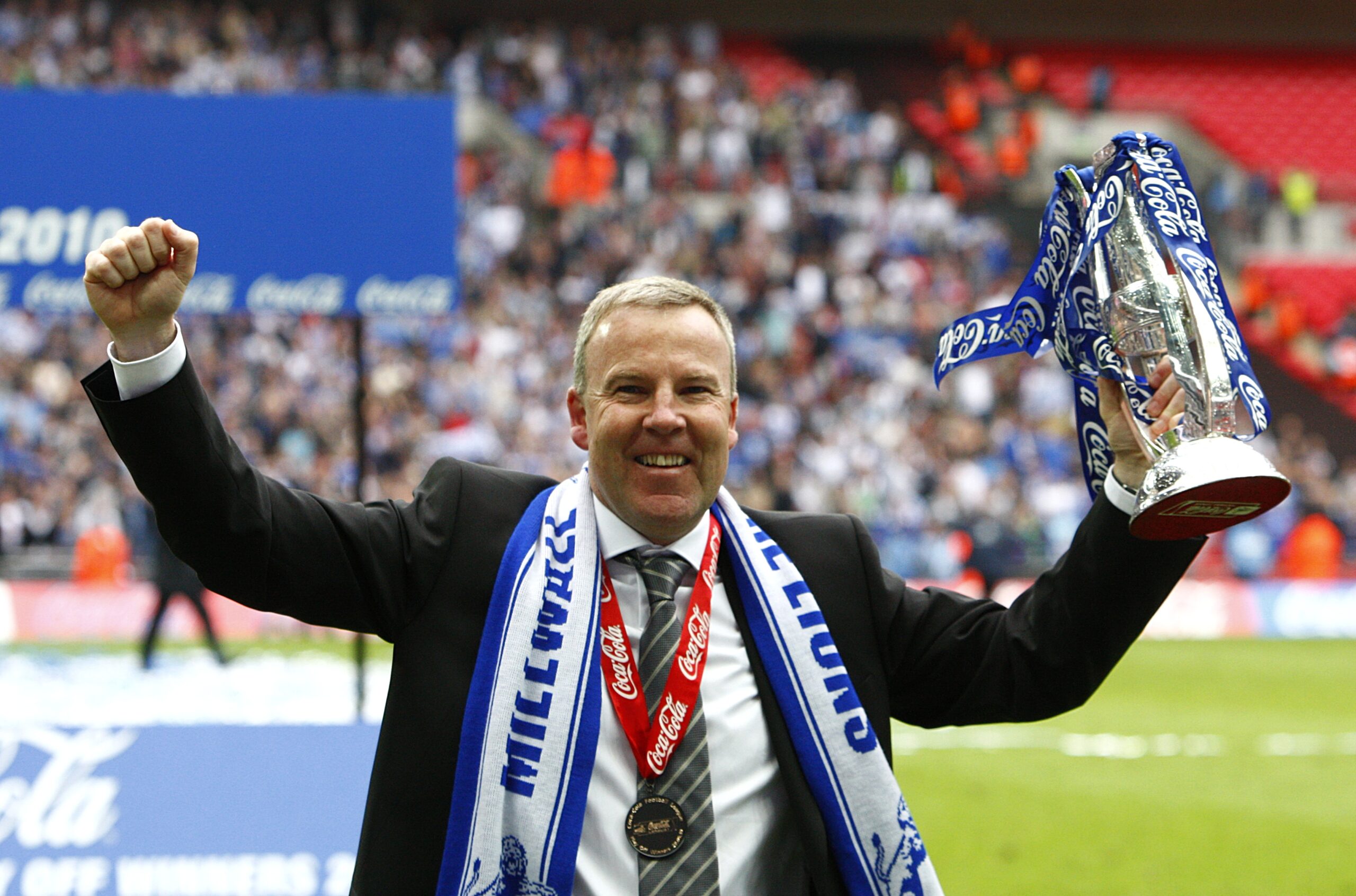
After officially retiring in 1990, Jackett joined Watford’s coaching staff and when Graham Taylor returned to the club as general manager in 1996, Jackett and Luther Blissett took over the day-to-day running of the team.
At the end of the season Taylor became director of football while Jackett was appointed manager. A disappointing 13th place finish in the third tier finish meant he was demoted to first team coach. But the close relationship between Jackett and Taylor continued, with the former England manager giving his protege some invaluable advice: ’I remember Graham saying to me this is my way of dealing with pressure: I go home, I sit in the bath, and that’s where I do my worrying. When I get out of the bath, I dry myself off and decide not to worry anymore’. The combination proved a winning one, with Taylor taking Watford into the top flight once again, this time just two years after taking over when the club were in League One.
Unlike in the Eighties, Watford’s time at the top was short-lived though and when Taylor left following their relegation, Jackett was dismissed and finally went to work elsewhere when he became assistant at Queens Park Rangers.
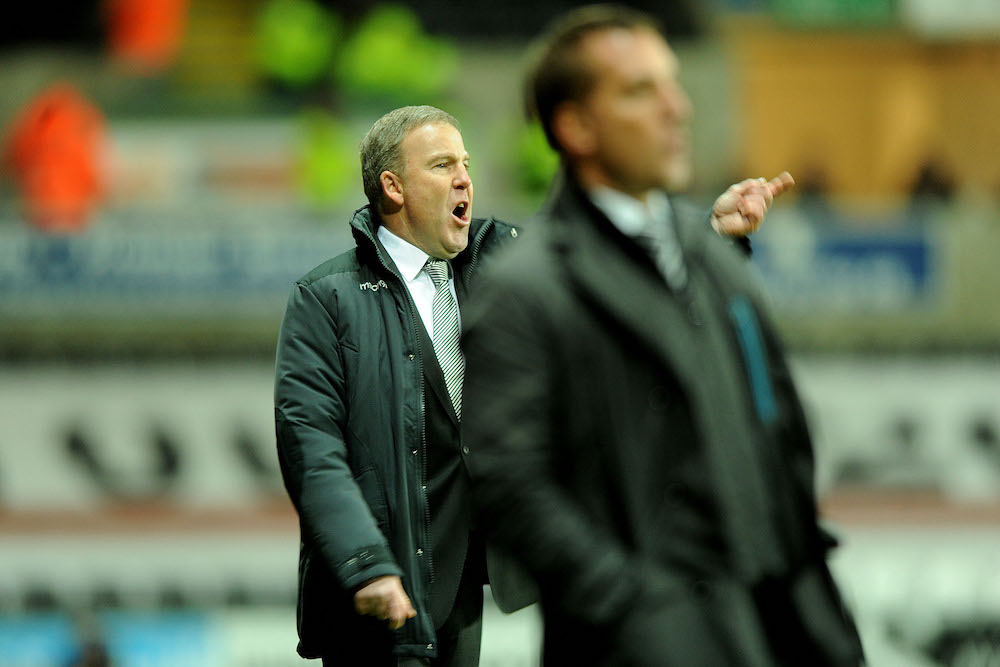
Three years later, Swansea City gave him the chance to take charge of a club again when he took over from Brian Flynn in the April of 2004. In his first full season he led the Swans to the third tier when they finished third. The following year the Swans looked good for a second successive promotion before faltering in the second half of the season to finish sixth. Barnsley got the better of them in the play-offs although the Swans did enjoy some success on the big stage when they beat Carlisle in the Football League Trophy, a game remembered primarily for Lee Trundle’s wonderful volley after three minutes.
Despite these successes, the film ‘Jack to a King’ – which charted Swansea’s remarkable rise from the bottom of the football league to the riches of the Premier League – doesn’t even mention Jackett, not even in passing, which seems a strange and unfair omission.
Perhaps his team’s playing style, which tended to be more organised than expansive, cost him some goodwill from the Jack Army. Certainly, by the time of his February 2007 resignation, Jackett was saying the decision was due to not feeling ‘the 100 per cent support of everybody connected with the club from the fans, the media, the players and the board alike’.

Jackett managed in over 900 games in the end, winning promotion with Wolverhampton Wanderers and enjoying a decent spell at Millwall. Even at clubs where he didn’t enjoy great success, Jackett left a good impression, as noted last week by Andrew Moon, Portsmouth FC commentator for BBC Radio Solent:
‘He was a gentleman to deal with, happy to answer absolutely any question thrown his way at length and always polite. Many interviews and press conferences are delayed or late. Not Kenny’s. His weekly chat with the media started as the clock struck one. I genuinely cannot remember an occasion he was even five minutes late’.
His main mentor Graham Taylor would have been proud.
‘Taylor wants more than success from his players: he wants them to form as individuals’ wrote novelist Martin Amis after spending time with the Watford squad in 1983. ‘It is a little-known fact, for instance, that the Watford team are contractually obliged to do seven hours of community work each week’.
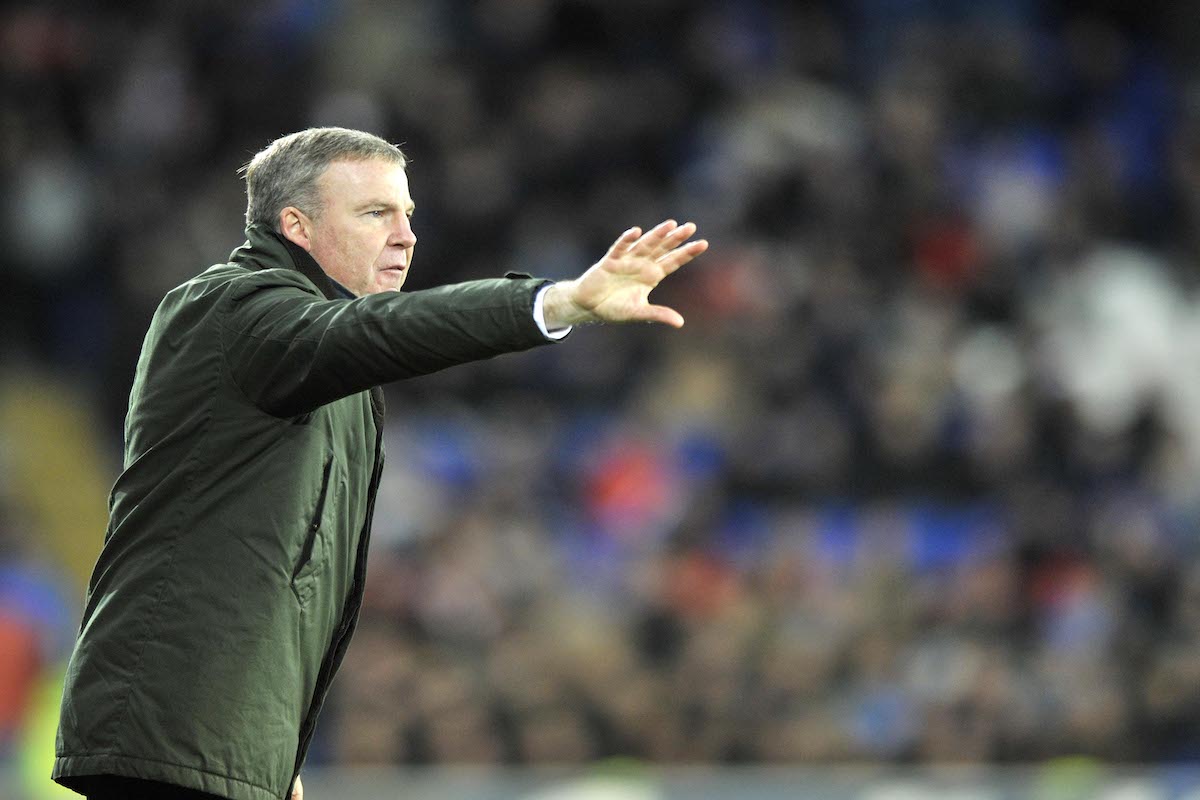
Amis then went on to describe footballers as often being ‘no more than chattels to their clubs; and when the game is finished, they blunder out into the world like stranded adolescents’. After a fantastic decade playing for his hometown club and a very decent six year international career, it’s perhaps an even bigger tribute to the man that Jackett’s 36 post-playing years were strikingly blunder-free.
I hadn’t been aware of just how serious his health problems must have been but he did step down from his final professional role – director of football at Gillingham – as a result of them at the end of 2004.
64 is young, but Kenny Jackett packed plenty into those years. He’ll be missed.
Leon Barton is a writer on Welsh football and culture. He is also the author of Brian Flynn: Little Wonder
Support our Nation today
For the price of a cup of coffee a month you can help us create an independent, not-for-profit, national news service for the people of Wales, by the people of Wales.
Get more trusted Welsh news
Choose Nation.Cymru as a preferred source in Google News to see more of our journalism.



Wales international Kenny Jacket was a great footballer & manager. A sad loss.
Kenny never let Cymru down, always played well. His record as a manager 44% win ratio is very impressive too.
A lovely article about a lovely man, thank you.