


WRU’s losses more than double to £18.1m amid row over plans to axe a team
Mark Mansfield
The Welsh Rugby Union’s annual losses before tax have more than doubled to £18.1m, as rising costs outstripped an increase in income.
Accounts for the year ending June 30, 2026 show the group brought in £116.2m, up £10.1m on the previous year. However, its losses increased from £7.2m.
The figures come amid a bitter dispute over plans to reduce Wales’ professional men’s teams from four to three from the 2028–29 season.
With Cardiff and Dragons set to retain their places, the Ospreys and Scarlets face competing for a single west Wales licence.
Supporters have campaigned to retain all four teams, with three supporters’ clubs backing a petition opposing the reduction.
The WRU argues that concentrating its resources on three teams is necessary to make professional rugby financially sustainable. Its director of rugby, Dave Reddin, has insisted the plans will proceed despite opposition, saying: “I understand the pain with it, but we’ve got to fix it and this is the way forward.”
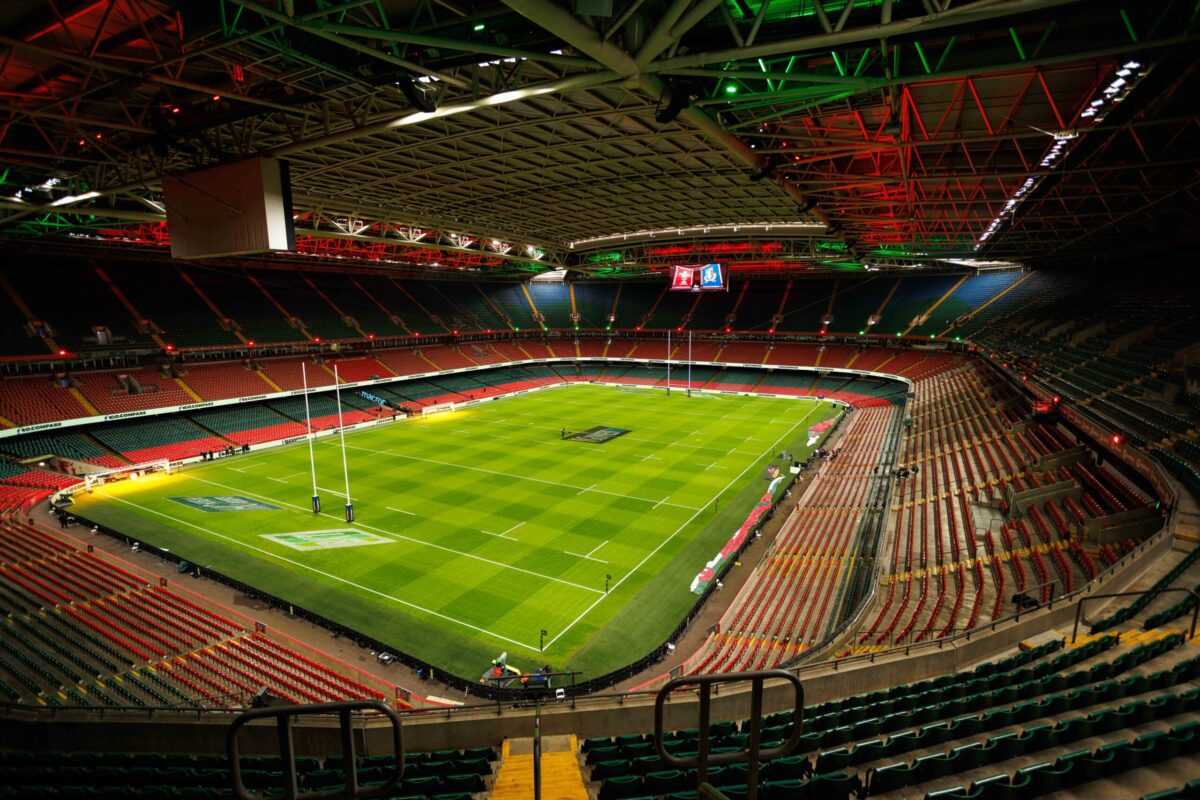
The worsening financial position came despite the WRU hosting seven men’s internationals at Principality Stadium, two more than the previous year.
Gavin Marshall, the WRU’s chief financial and operating officer, said: “This has been a challenging financial year. Whilst we have grown revenue, our costs have increased faster, and our financial performance has declined when compared to the previous year.
“We hosted seven men’s internationals at Principality Stadium, compared with five the previous year, but match income increased by only around £2m. This was challenging and reflected lower average ticket prices, some lower attendances and the global economic pressure on consumer spending.”
The accounts say lower crowds at Six Nations and autumn matches, discounted tickets and reduced spending on food, drink and merchandise left income significantly below expectations.
A quieter summer for concerts and other non-rugby events also affected earnings.
Marshall said: “Direct stadium and event costs also increased by approximately £7m, reflecting the additional matches and events during the year, as well as higher staffing and event delivery costs.”
Operating costs
Excluding Cardiff Rugby, operating costs rose from £70.3m to £82.1m, while income increased from £105.5m to £110.6m.
The group’s operating loss, before interest and tax, widened from £4.7m to £14.8m.
Its preferred earnings measure, calculated before rugby funding and certain other costs, fell from £32.8m to £19.7m. Excluding Cardiff Rugby, it dropped from £35.2m to £28.5m.
Cardiff, acquired by the WRU in April 2025, recorded a trading loss of £1.2m. The accounts say most of its larger £8.8m effect on the group’s earnings measure came from accounting adjustments when the two organisations’ finances were combined.
Funding distributed to the four professional clubs, semi-professional and community rugby remained unchanged at £32.6m, including £7.4m for Cardiff.
Net debt – borrowing and other debt obligations, less cash held – increased from £124.1m to £126.1m.
During the year, the WRU replaced its NatWest and Welsh Government loans with financing from Goldman Sachs and HSBC.
It met all the conditions attached to its borrowing. However, the agreements require minimum earnings and lenders’ permission for certain transactions, limiting its freedom to invest and distribute money.
Spending on restructuring and other one-off projects more than doubled from £1.5m to £3.2m. This included legal fees, work on the new Professional Rugby Agreement, arranging new borrowing and staff-related contractual costs.
Shares
The WRU has also exchanged money owed by professional clubs for shares in their businesses. The accounts record a £2.8m investment in Dragons RFC following such an agreement, while £2.9m of Ospreys debt was converted into shares in October.
Marshall said the union was introducing a new ticketing strategy and working with catering partner Aramark to improve returns from food and drink sales.
“We are focused on attracting more major events to Principality Stadium and, importantly, improving the financial return from those events,” he said.
“Our priority is to improve the WRU’s financial performance and return the organisation to a sustainable position.”
Support our Nation today
For the price of a cup of coffee a month you can help us create an independent, not-for-profit, national news service for the people of Wales, by the people of Wales.
Get more trusted Welsh news
Choose Nation.Cymru as a preferred source in Google News to see more of our journalism.


