


How Wales transformed into New England for Hollywood movie
Paul Mackay
When you think of the landscape of Wales, what’s the first thing that comes to mind?
If you’re anything like I was before moving to God’s own country, I imagine that you’ll picture rolling green hills, long redundant pit head frames and rows of grey terraced houses lining valley slopes, all whilst the warm harmonies of a male voice choir singing ‘Calon Lân’ drift soothingly across the horizon.
And on celluloid, Wales has often played to type: Tiger Bay providing an accurate representation of the industriousness of Cardiff Docks in the fifties, whereas Twin Town reflected the darkly comic underbelly of ‘90s working-class life in Swansea. Ironically, what is perhaps the Welshest of movies – How Green is My Valley, a tale of struggling miners in the South Wales valleys – was filmed in Southern California on account of Britain being embroiled in the Second World War.
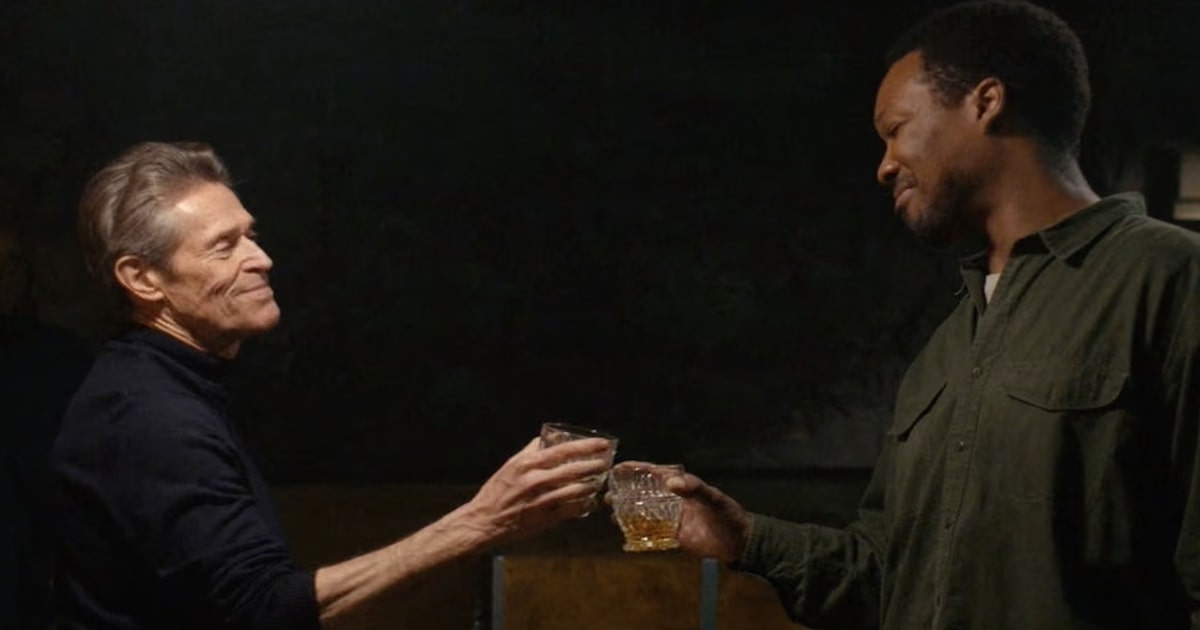
While Wales is far more than the old clichés suggest, the brief I received as a location scout for the feature film adaptation of Walter Mosley’s The Man in My Basement was an unusual one: to find authentic New York State locations in South Wales. The story is set in Sag Harbor, and to make matters more complicated, the film takes place in 1991. Present day Wales is not always the picture-book land of old, but neither is it a replica of New York State in the early ‘90s. Or so I thought.
Since breaking into the industry through the unparalleled It’s My Shout training scheme, I’ve learned that location work demands a wide range of skills. Scouts need a detective’s instinct for hidden gems, an eye for architecture, and an understanding of the social and economic forces that shape it. Each project brings new challenges, and it’s only by meeting those challenges that we can convincingly recreate the world a script requires. This project would rely on and push every skill I had—and then some.
At first, I doubted that New England-style homes—with their wide porches, clapboard cladding, and dormer windows—would be found in Wales. Brick, after all, was cheaper and better suited to the damp Welsh climate. I expected only the odd nugget of gold. But instead,
one discovery led to another as my search uncovered treasures nestled away in the most unexpected regions of Wales.
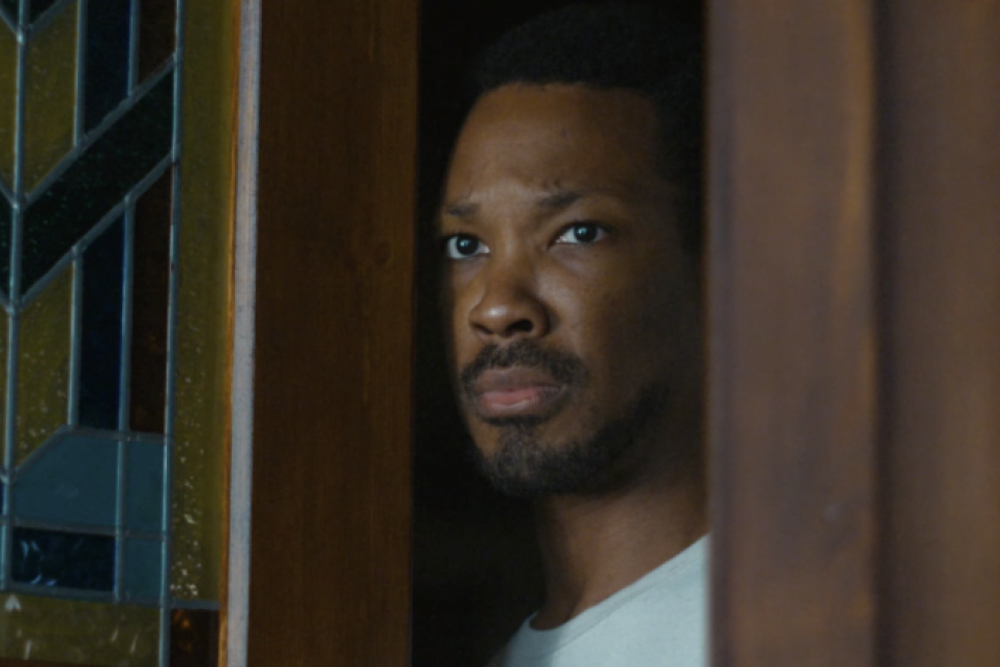
New England-style homes were more common than expected. A number of independent housing developers had taken inspiration from across the Atlantic and airlifted styles across the ocean to our green and pleasant land. There were American villas in Llandybie, built at
the end of Victorian era by a local carpenter from a Pennsylvania design, which became the shop run by Narciss Gully.
The so-named ‘Canadian bungalows,’ tucked away in a quiet Swansea suburb, which could have easily come straight from a 1970s Hollywood sitcom, would serve as the home of Clarence Mayhew in the film. And it didn’t stop there: Sag Harbor’s Main Street appeared in the unlikeliest of places in Swansea Marina. The grassy-duned beaches of Long Island were found a few miles further away on Mumbles Road, while Brangwyn Hall, the most civic of civic buildings, served as both Sag Harbor’s bank and library.
In the end, everything the script demanded was discovered within fifty miles of base. That meant no exhausting relocations of cast, crew, and equipment—the kind of logistical nightmare that usually drains both time and budget. Gas stations, stores, restaurants,
construction sites; all located within the bottom half of Wales, a country over two and a half times smaller than the state it was replicating.
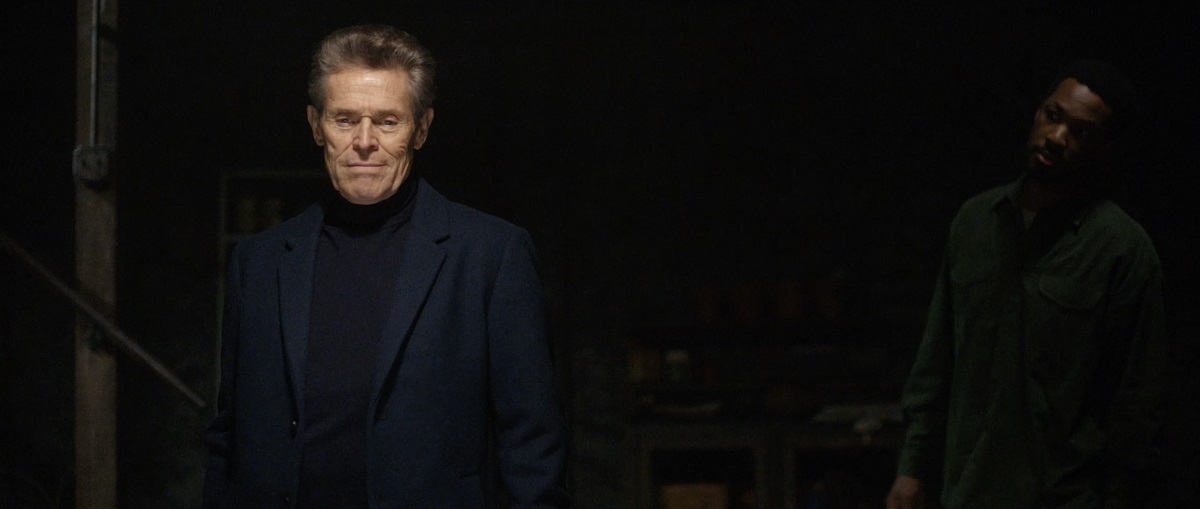
Taking the lead from Gareth Evans’ action thriller Havoc, set in an unnamed American city but filmed entirely in Wales, every key scene of The Man in My Basement was shot between Carmarthen and Cardiff, truly showcasing the incredible variety of landscapes available to
film-makers. Within South Wales you’ll find deciduous and evergreen forests, rugged mountains, golden beaches to rival Southern California, lakes and rivers, and the modernurban cityscapes found in Swansea and Cardiff. On top of the wide range of backdrops, there are also world class studio facilities (Wolf Studios, Seren Studios, Dragon Studios, Roath Lock), available and experienced crew from every department, and all within a small geographical area.
While this location-boom is undoubtably a success story, it is hoped more homegrown productions will follow. It’s crucial we develop and support more stories about Wales; stories clearly set here; stories about the array of diverse characters that make up Welsh life and its rich history. From the magical fantasy of the Mabinogion, the real-life tales of the Black Prince and Owain Glyndŵr, to the twenty-first century stories inspired by the everyday here and now, there’s more than enough inspiration to keep Welsh film-makers busy for many years to come.
For now however, when film-makers from across the world search for a substitute for global locations, perhaps it’s no surprise that they’re increasingly choosing Wales.
The Man in My Basement is coming to Everyman and Showcase cinemas across the UK this month. It is also available on Disney+ from Friday, September 26.
The film has various connections to Wales including producer John Giaw-Amu. It was filmed on location in Carmarthenshire and received funding from Ffilm Cymru Wales and Creative Wales. Find out more HERE
Paul Mackay has written for both TV and theatre. Alongside his creative work, he brings hands-on production experience through his roles in film and television Locations departments. Paul was an Assistant Location Manager on ‘The Man in My Basement.’
MORE: Watch: Hollywood star Willem Dafoe spotted at Wales v Scotland match
Support our Nation today
For the price of a cup of coffee a month you can help us create an independent, not-for-profit, national news service for the people of Wales, by the people of Wales.


