

‘They Call Us’: A collaborative poem in defiance of hate on International Women’s Day
Gosia Buzzanca
In support of women’s health ambassador Athika Ahmed and all women who have faced gendered bigotry, writers from across Wales and the world will release a collaborative poem celebrating the strength of women and saying no to hate.
‘They Call Us’ is an unflinching collective response to voices seeking to create division and rob women like Athika of their power and confidence. The poem has been made public today, in celebration of International Women’s Day.
In January of this year, Athika Ahmed, a young women’s health ambassador from Wales, suffered brutal online attacks after members of the far-right wrongfully titled her the Health Minister for Wales.
This deliberate misinformation was shared globally by far-right activists such as Katie Hopkins and Stephen Yaxley Lennon, better known as Tommy Robinson.
As a result, 23 year-old Athika was subjected to a deluge of online abuse and cyber bullying that targeted her appearance, her weight, her faith and her race.
The National Poet of Wales Hanan Issa, Aberystwyth poet Mari Ellis Dunning, and novelist Gosia Buzzanca, called on the power of collective voices to counteract this campaign of vitriolic online abuse.
Via a public call-out on social media, they invited people to submit lines of poetry that were subsequently braided into one collaborative piece supporting Athika and calling out those who still seek to oppress women with misogyny and gendered abuse.
Athika Ahmed, women’s health ambassador, said “To have received such compassion in a time where I was given so much hate, it truly helped me rise above and carry on doing the work I’m passionate about.”
Speaking exclusively to Nation Cymru, Mari Ellis Dunning said “This poem is a refusal — a refusal to allow hate to stand unanswered, and a testament to what happens when women and allies come together with purpose.
“When Athika was targeted, it was not just an attack on one young woman, but on every woman who has ever been told to shrink herself, to stay quiet, or to accept cruelty as the cost of visibility.
“By gathering these voices, we are weaving a chorus that insists on compassion over hostility, truth over misinformation, and solidarity over silence.
“In bringing these lines together, we are saying loudly and clearly that we will not be diminished.
“We say no to hate. We celebrate the strength and resilience of women like Athika using the power of collective voice and poetry.
“This piece stands as both a shield and a beacon — a reminder that when one woman is targeted, countless others will rise beside her, refusing to let her stand alone.
“Our hope is that our shared words become a force that outlasts the noise, a testament to the unbreakable threads of community, courage and creativity.”
Hanan Issa, National Poet of Wales, said: “In a world that feels less and less safe for anyone who identifies as a woman, we wanted to voice our anger and frustration as well as our solidarity with Athika and others like her.”
Speaking directly to Nation Cymru Hanan added “I was horrified seeing the barrage of abuse launched at this young woman.
“A lot of online bullying hides behind anonymity, forgetting that there is a human being on the other end receiving the hate.
“I hope Athika knows how much we support her and refuse to accept women being attacked like this in 2026.”
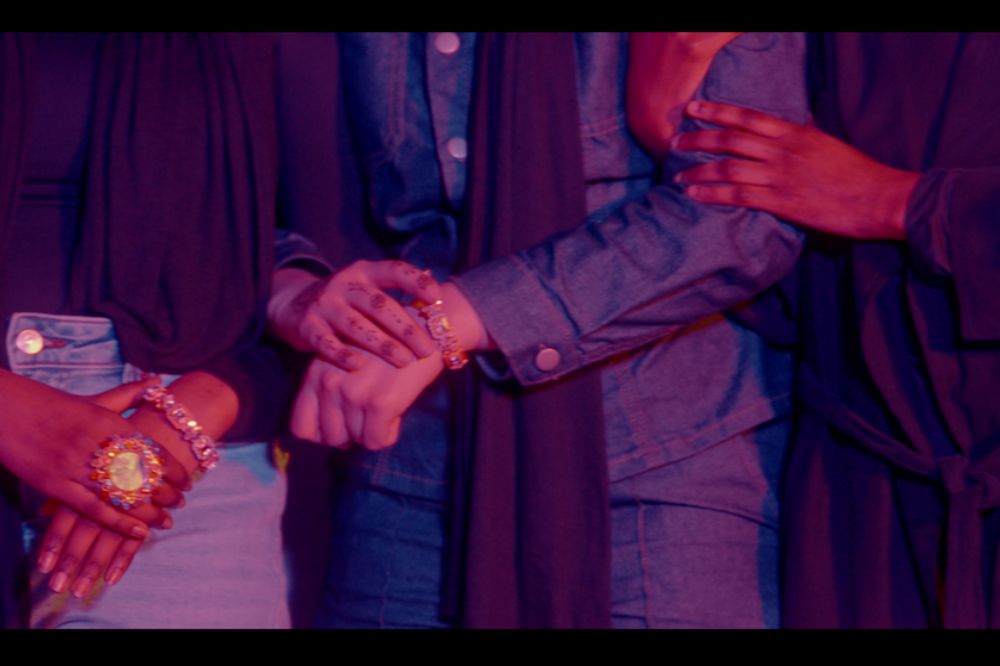
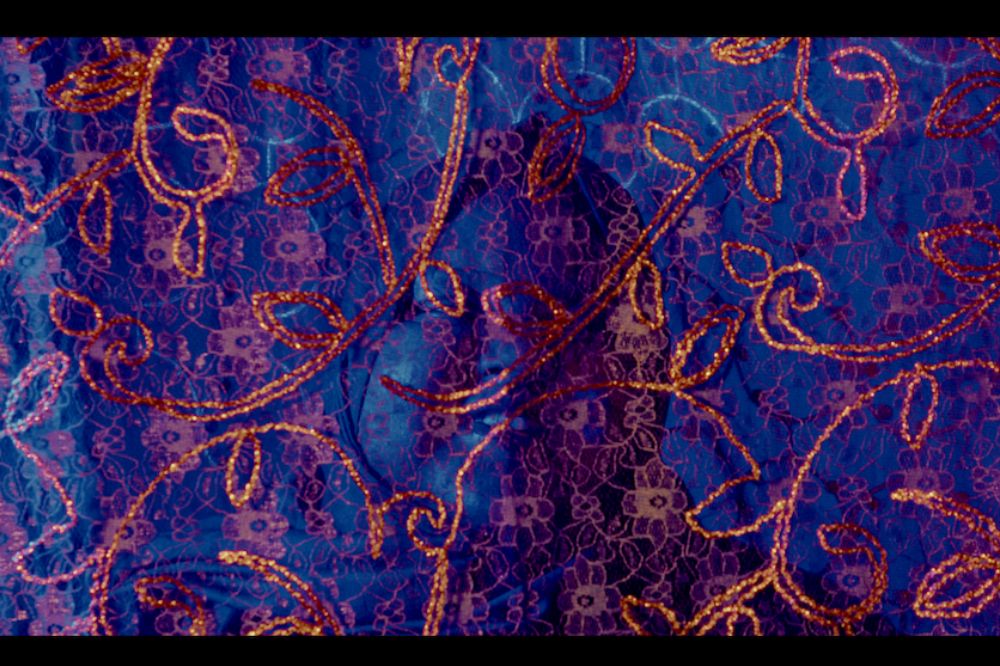
The poem is available below and has been released, along with its accompanying video, on the Literature Wales website.
They Call Us
“know how grateful women are that you, Athika, are who you are.”
They sow words to shrink us: overbearing,
troublesome, bitch –
their sad currency of swipes, faces in darkness,
splinters of spite. Those words:
Hysterical, mad harridan —
like endometriosis — all the bloody
cells of hate migrating.
We are undervalued, side-lined, downtrodden, trolled,
stalked, hounded, harassed, vilified,
Murdered.
We who survived the burning times.
With our painted smiles, we are pretty dolls,
temptresses at barely thirteen, force-fed lies.
They call us underage women when something’s at stake,
when girls or children would incriminate.
We are girls when fully fledged woman scares them,
when we refuse to bend, refuse to smile
but the fuse is sparking
electric.
We are ungovernable embers. We are exotic fruits.
We will always be here, telling our truth.
They want to give us a day they say — 24 hours of praise —
then they bare pointed teeth. We are valued only
by the shape of our hips, these gates shut with chains
that they will hammer open.
Still, we stand.
They call us witches: flesh so repulsive, they never stop
talking about the stench. But remember: a woman birthed
you. Gave you life. We descend from silenced
healers, caretakers, timorous creatures walking in shadow,
gathering courage from flowers, blooming like magnolias.
We are furious magic. We are Shapeshifters.
We are the noise that starts when whispers fail,
More powerful than the syllables of spite they spit
when night snakes its way around their necks.
They call us woke when we sing our sisters time in the sun,
stand by them rather than standby, Sisyphus calling
out Zeus. Their language is not mine.
They do not care for our blends, our depths, our agency.
They call us only womb, vessel, man-haters, rape-faker.
They call us Qamar, a borrowed light.
We are mouths full of feathers, taught not to spit,
dragging pain by the hair across generations.
Taught to stay quiet in the face of violence,
to close our mouths not our legs,
to shrink when threats are large.
Cut
our autonomy from our anatomy,
tell us to stuff our bleeding
racket with silence – I’ll show them hysteria
when I’m in the ground laughing.
They do not know we are sweet peas: the more they cut
us back, the stronger we grow. Tear their words
to little pieces, throw them like confetti.
They call our kindness a stain,
ond mewn gofal y mae grym,
yn ei goddefgarwch hi
y mae’r gân.
Don’t tell me who, what or how I am…. I AM.
We are ecstasy-filled earthquakes, we demand more.
Now our words are many voices in one throat.
We are the backbone, showing our daughters how
to celebrate each other.
We don’t exist for you.
Our thick skin stretches all the way back
to your mother’s arms, to your wife’s bed,
your daughter’s handprints
pressed into paint and palmed onto paper.
When I stop, and listen, feel my skin, hear my breath,
I think of all my foremothers, and yours
making us possible. Find your ground. Hold it.
Embrace the murmuration, of women who weave
bowline knots. Secure the line. We are flowers
that have known the weight of drought
and still dare to bloom.
There are tides in us they will never draw back
but the moon guides those lost in the dark.
Strongly stitched,
we knit
into and out of one another.
When the sludge threatens to weigh us down, women like Athika rise.
Support our Nation today
For the price of a cup of coffee a month you can help us create an independent, not-for-profit, national news service for the people of Wales, by the people of Wales.
Get more trusted Welsh news
Choose Nation.Cymru as a preferred source in Google News to see more of our journalism.


