


Porthcawl’s regeneration means nothing without better transport links
Amelia Jones
Porthcawl may have celebrated its 100th anniversary last year, but in many ways, the town still feels stuck in the past – especially when it comes to transport. With new regeneration plans constantly being discussed, you would expect connectivity to be a priority. Yet one major issue continues to be ignored: getting in and out of Porthcawl is still far harder than it should be.
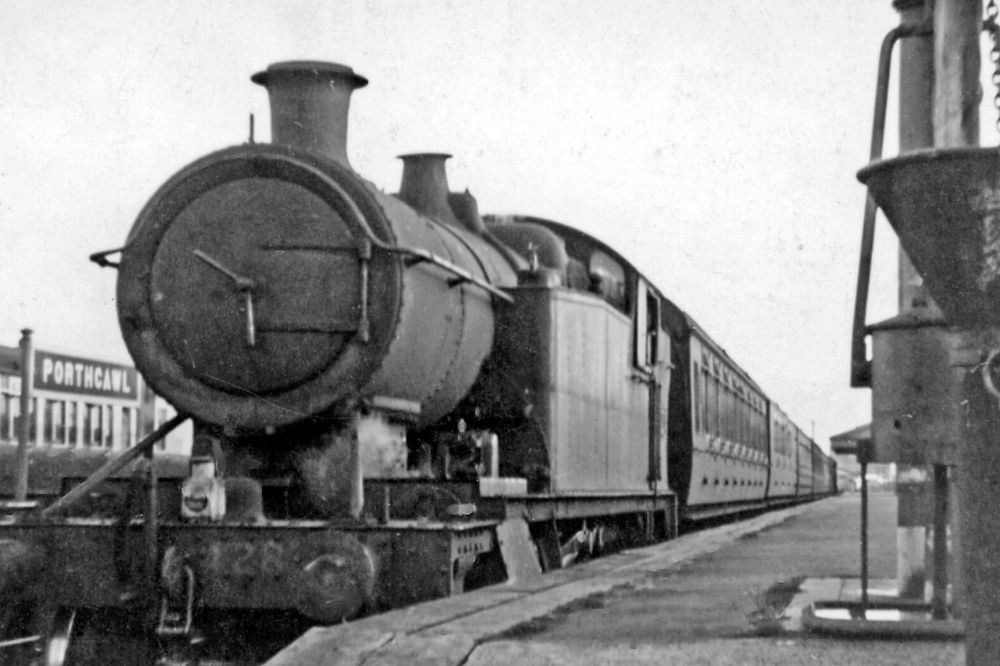
The problem isn’t new. In fact, it dates back over 60 years to the closure of Porthcawl’s railway station in 1963. At the time, the decision was justified by claims that not enough tickets were being sold from the station. But that explanation has never fully convinced locals.
Many have long argued that the figures were misleading, as passengers often bought return tickets from other stations, meaning their journeys weren’t properly counted. In other words, the railway may have appeared underused on paper, but the reality told a very different story.
The loss of the railway was more than just an inconvenience, it fundamentally changed the town. Once a well-connected seaside destination, Porthcawl became increasingly dependent on road transport. Today, it remains one of the largest towns in Wales without a direct train link. Instead, residents rely on buses that can be inconsistent, limited, and time-consuming, particularly for those commuting to nearby towns or cities.
What makes this more frustrating is the contrast with the town’s ambitions. Regeneration plans promise to revitalise Porthcawl, attract visitors, and boost the local economy. But without proper transport links, how realistic are these goals? You can build new attractions, improve public spaces, and invest in housing, but if people struggle to get there, the impact will always be limited.
This becomes even more noticeable in everyday life, especially when returning to Porthcawl after being out in the city centre. A simple journey home can quickly turn into a logistical and financial problem. Instead of stepping off a train and walking home, you’re left at stations like Bridgend or Pyle trying to figure out how to complete the final leg of the journey.
More often than not, that final stretch means a taxi, and it doesn’t come cheap. What should feel like a routine journey back into town can easily costs over £20 each way.
On one normal Saturday night, I paid £38 just to get back to Porthcawl from the station. It’s the kind of cost you don’t really consider until you’re faced with it, but once you’ve experienced it, it’s hard to ignore.
Porthcawl metro link
This issue isn’t limited to the railway history either. Even the town’s more recent transport developments have raised questions. A new £4 million bus station was built in Porthcawl as part of regeneration plans, but instead of being seen as a clear improvement, it has divided opinion among locals.
Rather than acting as a central, busy transport hub, it has been described by some as underused and not fully meeting the needs of the community.
For a town that relies heavily on buses as its main form of public transport, this raises further concerns about whether investment is actually solving the real problem, or simply relocating it.
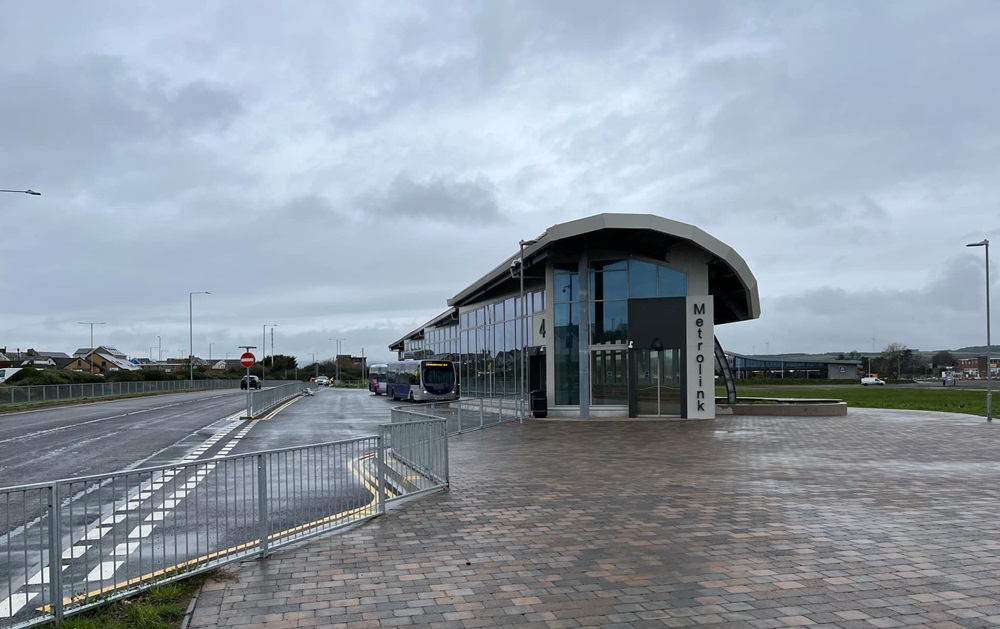
Speaking shortly after the opening an independent town councillor from Porthcawl, Brian Jones, said: “Personally I think the cost was over the top at £4m. It’s in the wrong position and really speaking I think the money would have been better spent on refurbishing the bus shelters that we already have around Porthcawl.
“Where it is now I personally think it should have been on the other side of the road so people haven’t got to cross the road to get in to the town centre or cross the road to get to a bus stop but it has had a mixed reaction from people.”
Many have pointed out that it feels slightly disconnected from the rest of the town, with limited services and a location that doesn’t always feel convenient for everyday use.
In fact, my family has a running joke whenever we pass it, we look in and try to spot anyone actually using it. So far, we’ve only ever seen three people inside.
When asked about the bus station, local resident Susan (48), said:”At the moment, it sits forlorn and neglected by travellers. I have used it for the 63 bus, on a few occasions, but I was in there alone. It has no real inviting or welcoming properties.
“I feel bus operators are missing out as it is very difficult to travel anywhere from Porthcawl on public transport. It is easier to use a car. Same goes for coming to Porthcawl, that’s why, on sunny days and local events Porthcawl is rammed to dangerous capacity in car parks, grass verges, single and double yellow lines.
“Anywhere to escape – paying parking fees, going elsewhere, or indeed having to return home. More public bus services should be provided to and from Porthcawl, so that Porthcawl can be enjoyed without being over run with all forms of transport.
“Services from Porthcawl should also give the residents the opportunity to visit Port Talbot, Aberavon Beach and Swansea. I am confident that all of these services would be well used, coming in and out of Porthcawl. The lonely station no more, but buzzing with excited travellers!!”
The inconvenience of the bus station adds to a growing sense that transport planning in Porthcawl hasn’t always been joined up. While money has been spent on new infrastructure, the actual experience of getting to and from the town still feels complicated and inconsistent.
There is a difference between having transport facilities in theory, and having a system that genuinely works in practice for the people who use it every day.
Until transport is properly addressed, Porthcawl will continue to feel like a town that is modernising on the surface, but still disconnected underneath.
Support our Nation today
For the price of a cup of coffee a month you can help us create an independent, not-for-profit, national news service for the people of Wales, by the people of Wales.



Beeching was a Doctor of economics! Yet in pursuit of mad political agenda ( road transport will be King) he allowed the closure of Porthcawl by taking zero notice of its prime purpose as a destination rather than a starting point. He must have known this was asinine! Yet it happened. Now we are bearing the brunt of so much of his fascist purpose. I recall walking a short distance to Pencoed station where we would board for destinations all over Cymru. My Mamgu in Caerau, short trip. Friends in Cwm Ogwr, brief journey. Best of all Trecco bay, 200… Read more »