


What have we learnt about the next generation of Welsh rugby this summer?
Dewi Williams
After Wales’ 43-0 loss to South Africa on the weekend, Dan Biggar asked co-pundit Sam Warburton whether Welsh rugby should be focusing on the longer-term success of the senior side rather than short-term improvement.
Speaking on ITV, Warburton replied: “The focus now has to be how do Wales get back into the top 8 [in the world], and I think looking beyond that is going to take a lot longer than five years”
While the majority of Welsh supporters have been watching the newly formed Nations Championship this summer, some may have also had a taste of what Welsh rugby will look like in those years to come.
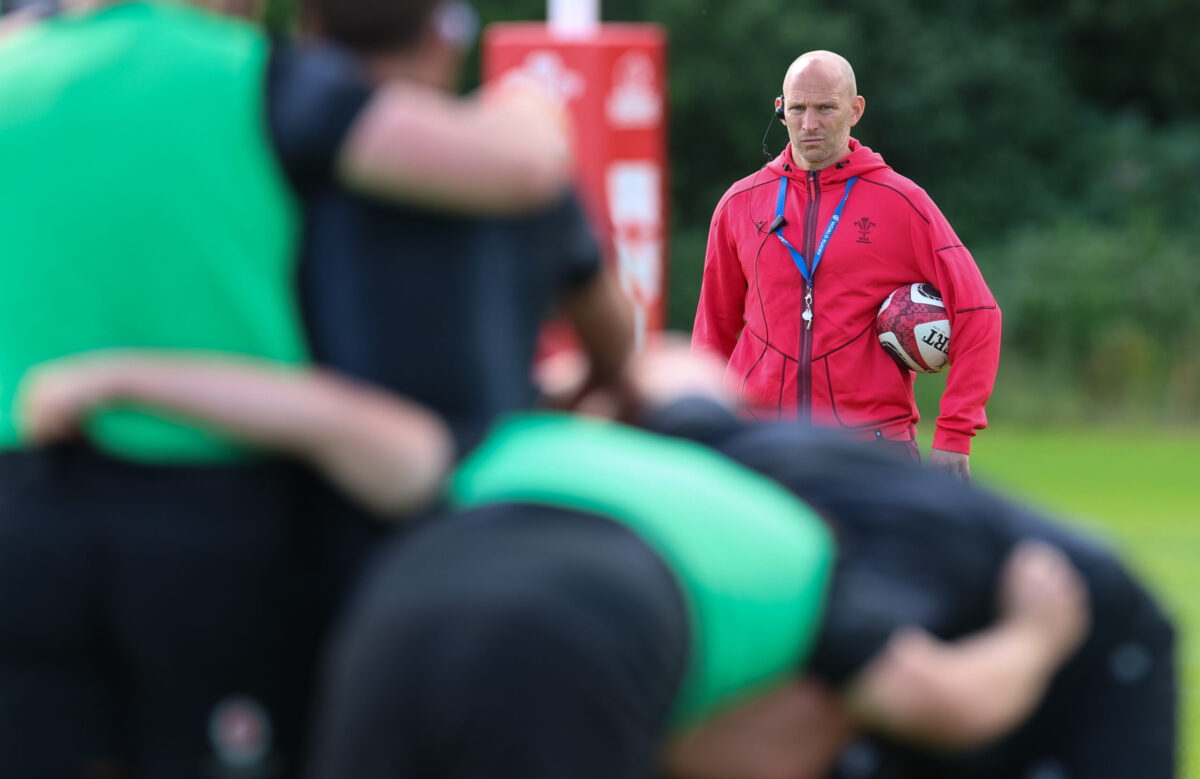
Coached by Richard Whiffin, the Welsh under-20’s have been competing in the Junior World Championships over the last month, with this year’s tournament taking place in Georgia.
The competition featured 16 teams, divided into four pools with the winners of each advancing to the semi-finals, while the other nations competed for positions 5-16.
Wales found themselves in pool A with last year’s champions South Africa, hosts Georgia, and Uruguay. After finishing second in the group, they faced Australia before going on to play Scotland in the 5th place final.
The Championship
Wales started their campaign against Georgia in a tightly contested game, winning 25-24. After a new-look side breezed past Uruguay with a 47-0 victory in their second game, Wales faced the Junior Springboks who sat at the top of the group in their final pool match.
Despite going 14-0 up after ten minutes, the eventual champions’ physicality and speed forced Whiffin’s side into submission, with the score 52-33 at the final whistle. The result saw them advancing to the 5th place semi-finals to face Australia.
The semi-final proved to be a tight game similar to the opener. Australia scored in the last minute seemingly stealing the win, but the TMO reversed the decision after spotting a knock-on in the build-up. After a 38-36 victory, Wales were through to face Scotland in the 5th place final.
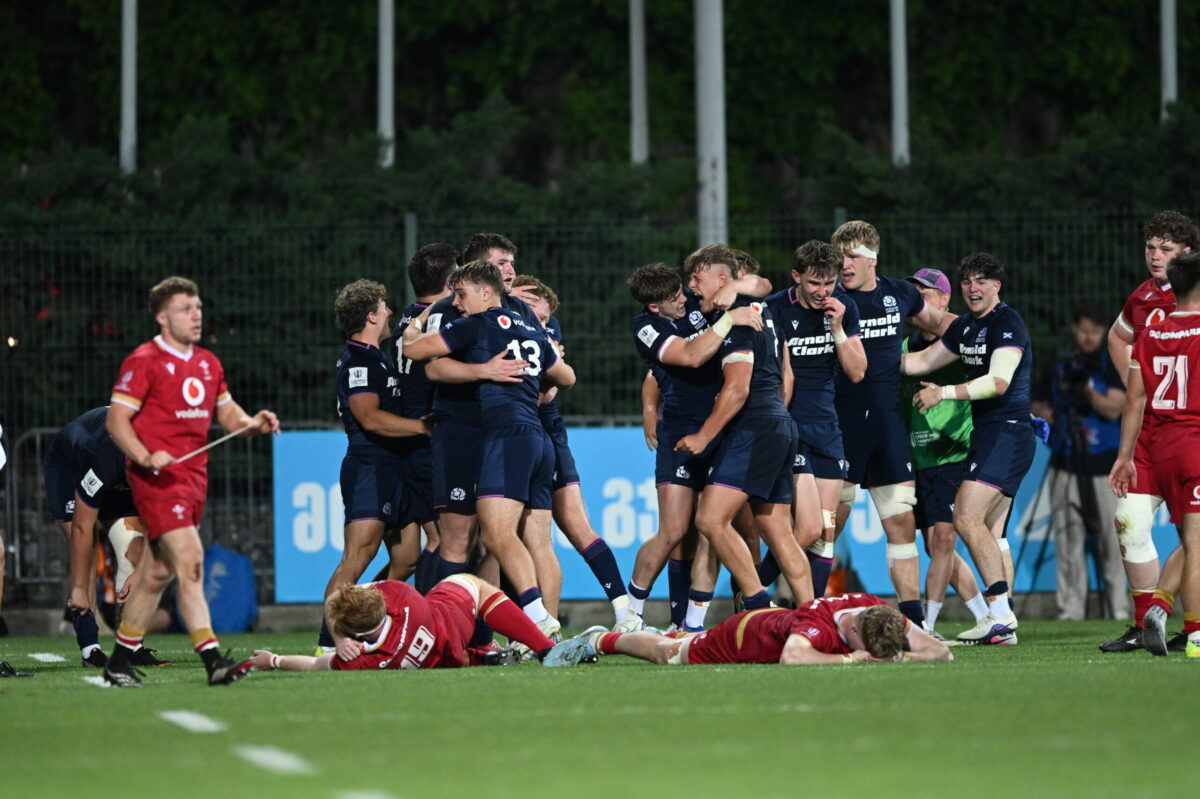
The final was also a close game, with errors and ill-discipline costing both sides throughout the match. Scotland’s physicality gave them the edge, with Wales finishing 6th after a 28-21 loss. A bitterly disappointing end to a largely positive campaign.
So, what have we learnt from this year’s championship? 25 of Whiffin’s 40-man squad for the U20 Six Nations earlier this year pulled the red jersey back on in Georgia, and there was a clear improvement in terms of results. Despite competing in some close games throughout the Six Nations, they only won one game throughout the campaign. Compare that to this summer’s five games, where Wales have managed to win three while coming agonisingly close to their best finish in the tournament since losing the 2013 finals.
Discipline seems to be the clear and obvious problem for this young Welsh side, with 8 yellow cards and 2 red cards throughout the championship. Considering that they only suffered from 1 yellow card during the Six Nations, there is a serious issue there that needs addressing. Despite the imperfect performances, this year’s group can take a lot of pride in the grit and character they showed, with many players having made their mark on the international stage.
The players
In the pack, Jac Pritchard stood out in the front row, winning some crucial turnovers and scrum penalties throughout the campaign, while 18-year-old hooker Tom Howe looks a promising player for the future having made 54 tackles and 28 carries over the course of the tournament. Standing at 6’6 and weighing 125kg, Will Evans also went through a lot of work, with the lock’s physicality particularly impressing as he made 59 post-contact metres across the four games he played.
The first choice back-row of co-captain Deian Gwynne, Caio James and Evan Minto also impressed, with each player dynamic and threatening on both sides of the ball. Minto has the pace of a back, James’ physicality gives him an edge, and Gwynne’s overall effort in attack in defence is clear to see, carrying on 45 occasions for a total of 200 metres. They made a total of 174 tackles between the three of them during the championship, with Minto missing the final game due to injury.
Marshalled by Carwyn Leggat-Jones at fly-half, the backline looked dangerous too. Leggat-Jones carried on displaying the quality he possesses at 18 years old, successful with 16 out of 17 attempts off the kicking tee. Co-captain Steffan Emanuel was effective as a triple-threat centre, displaying his playmaking abilities with his hands and feet, with his cross-field kicks and grubbers in behind leading to a number of tries throughout the tournament.
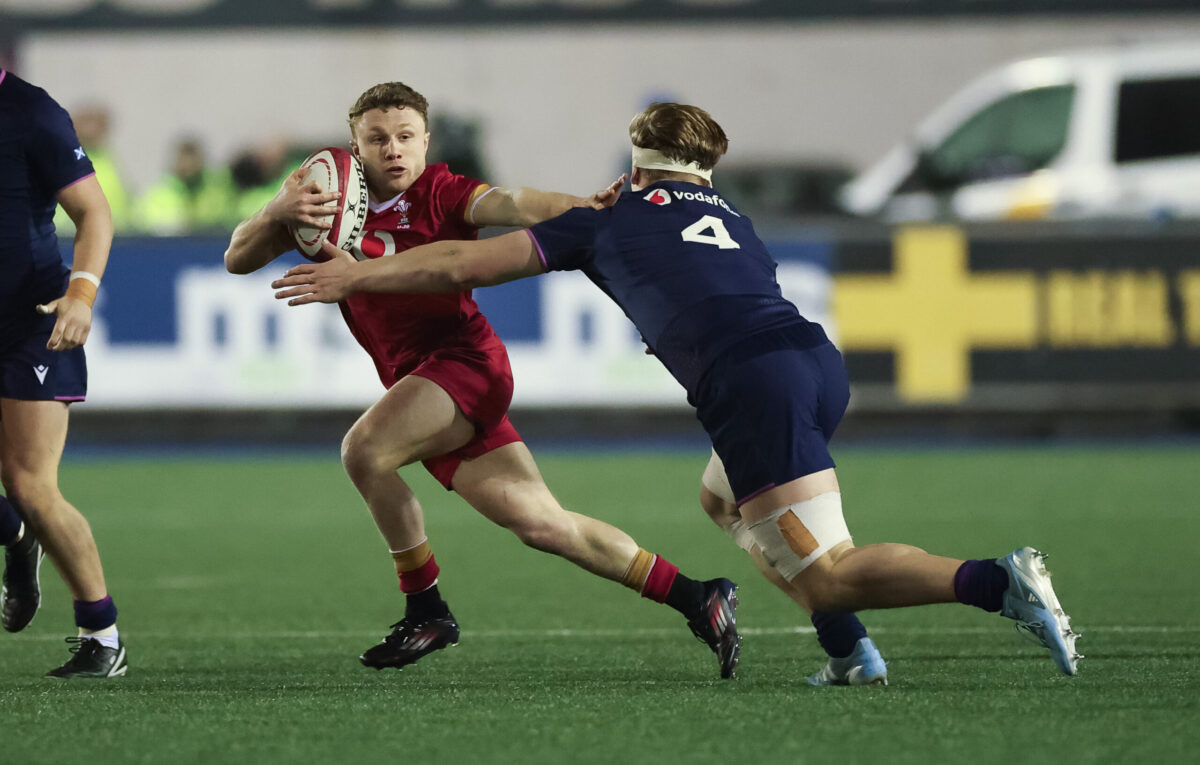
With seven tries between them, the back three of Tom Bowen, Lewis Edwards and Rhys Cummings showed their quality as well. Bowen, despite his three yellow cards, continued to show the electric pace we have seen from him throughout the season with Cardiff, and Cummings scored some fantastic tries with his best coming in a brace against Australia. Edwards also looks a fine prospect, standing at 6’4, he’s safe under the high ball and possesses a thunderous right boot capable of kicking the ball from 22 to 22.
The Future
With the team just missing out on Wales’ highest placed finish since 2013 and considering the exciting players within the group, Richard Whiffin and Steve Tandy can be relatively happy with what they have seen from Welsh rugby’s next generation over the last month.
Maximising these players’ development and potential is the key issue for Welsh rugby now, however. In a piece for Nation.Cymru earlier this year, former performance analyst, Andy Jones, outlined that talent isn’t the problem, but a lack of minutes for these young players, which is reflected by the fact that the majority of those who represent Wales U20’s don’t go on to establish themselves as regulars for the senior side.
Talents like Tom Howe, Steff Emanuel and Lewis Edwards are the type of prospects that would fit the mould of a world-class player, but whether they will be test-match rugby ready in the next few years is up to Welsh rugby and its systems to decide.
That said, with players like Gwynne having already trained with the senior side, and those like Bowen, Emanuel and Leggat-Jones already stepping up to play for their regions, perhaps the foundations of the long-term success that Biggar and Warburton spoke of are slowly being built.
Support our Nation today
For the price of a cup of coffee a month you can help us create an independent, not-for-profit, national news service for the people of Wales, by the people of Wales.
Get more trusted Welsh news
Choose Nation.Cymru as a preferred source in Google News to see more of our journalism.



